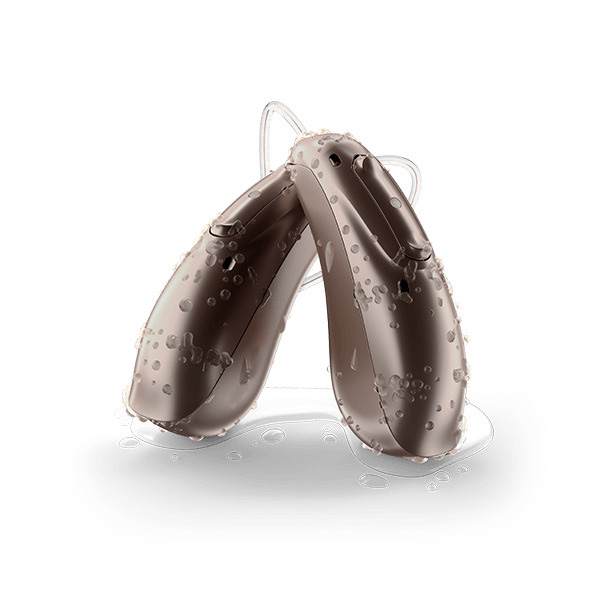


Signia Pure Charge&Go IX BCT vs Oticon Real: Which Hearing Aid Is Right for You?
TL;DR The Signia Pure Charge&Go IX BCT vs Oticon Real; both are excellent prescription hearing aids, but they’re built around different philosophies. Signia wins on
, Updated April, 2026
TL;DR: You’ve got three real options: traditional hearing clinics, big box OTC devices, and online authorized retailers like Injoy. Clinics charge a premium for overhead you didn’t ask for. Big box devices skip the professional care entirely. Injoy gives you prescription hearing aids from the same top brands, fitted by licensed hearing care providers, for significantly less. Plus a 60-day risk-free trial, because we’re confident you’ll stay.
You’ve noticed it creeping up. The TV volume keeps climbing. Your spouse repeats themselves more than a broken record. Your grandkid mumbles, apparently, every single time they talk.
At some point, you asked yourself the question: where do I get a hearing aid?
Good news: you have real options. According to hearing health data, at least 28.8 million American adults could benefit from hearing aids, and more people than ever are finding professional solutions online without the waiting rooms or the wallet damage. Let’s break down where you can actually buy hearing aids, what each option costs in time and money, and why thousands of people are choosing online hearing care over traditional channels.
When shopping for hearing aids, three primary channels exist:
Each option has distinct advantages and drawbacks. Understanding these differences helps you make the right choice for your hearing needs and budget.

Walking into a local hearing center feels familiar. There’s a reception desk, magazines from 2019, and eventually, a hearing care provider who leads you to a soundproof booth.
This model works for many people. You get face-to-face interaction, immediate hands-on adjustments, and a physical location to visit if something goes wrong.
Here’s what that familiarity actually costs you.
Traditional hearing centers carry significant overhead, and every dollar of it lands on your invoice:
Someone pays for all of that. That someone is you.
Beyond inflated device prices, many brick and mortar locations add fees that never appear in the advertised number:
Personal costs stack up quickly too:
Traditional centers aren’t without value. In-person care makes the most sense when:
For anyone experiencing sudden hearing loss, unexplained ear pain, or drainage, seeing a medical professional in person is non-negotiable. These symptoms can indicate conditions that go well beyond a standard hearing evaluation.

Since the FDA approved over-the-counter hearing aids in 2022, big retailers jumped into the market. You can now buy hearing aids where you buy toilet paper and frozen pizza. This democratization sounds great in theory. In practice, it’s mixed.
Over-the-counter devices offer a few genuine advantages:
Over-the-counter hearing aids are designed for adults with perceived mild to moderate hearing loss. They’re preset devices, not customized to your specific hearing profile. Here’s what they typically lack:
The person helping you navigate hearing aid options at a big box store may also handle automotive supplies or pharmacy questions. They’re trained to move products, not to program devices for your unique hearing loss. Many OTC aids also route you to third-party vendors for adjustments, which means another phone number, another company, and another layer of frustration when you just want to hear your grandkid’s stories.
Over-the-counter hearing aids work best when you:
Just understand the tradeoff. You’re swapping professional customization and ongoing care for convenience and lower upfront cost.
Here’s where things get interesting. Online hearing aid providers have fundamentally changed how people access professional hearing care. Not by cutting corners, but by cutting costs that do nothing for your hearing.
Injoy Hearing sells the same prescription hearing aids you’d find at traditional clinics. Same brands, models, and technology. The difference is how you access them:
Instead of driving to appointments, you complete a hearing test online. Licensed hearing care providers review your results remotely. Your hearing aids arrive at your door within days, pre-programmed to your specific profile.
Need adjustments later? One call. No driving, no waiting rooms, no fees.
Injoy carries prescription hearing aids from six major manufacturers:
These aren’t knockoff brands or second-tier models. They’re the same devices prescribed at premium hearing centers, including cutting-edge options like the Phonak Sphere Infinio and Starkey Omega AI.
Styles available include:
For more on choosing the right hearing aid style, Injoy’s guides walk you through the decision based on your lifestyle and hearing needs.
Today’s prescription hearing aids include technology that would have seemed like science fiction a decade ago:
All of it available through top hearing aid brands sold online, not just at premium clinics.
Online hearing aid providers operate without the overhead of physical locations:
Those savings transfer to you. The same hearing aids that cost significantly more at traditional clinics are available online for far less, often saving customers several thousand dollars per pair. You’re not paying less because the products are inferior. You’re paying less because the business model is smarter.
| Feature | Brick and Mortar | Big Box OTC | Injoy Hearing |
|---|---|---|---|
| Licensed Professional Care | ✓ Yes | ✗ No | ✓ Yes |
| Prescription Hearing Aids | ✓ Yes | ✗ No | ✓ Yes |
| Custom Programming | ✓ Yes | ✗ Limited self-adjustment | ✓ Yes |
| Ongoing Support Included | ✗ Often costs extra | ✗ Third-party only | ✓ Free and unlimited |
| Appointment Flexibility | ✗ Limited office hours | N/A | ✓ Longer hours, from your couch |
| Trial Period | 7-10 days | Varies by retailer | 60 days |
| Top Brands Available | Limited partnerships | Generic models | Phonak, Starkey, ReSound, Signia, Oticon, Widex |
| Warranty Coverage | 1-3 years (may cost extra) | Limited basic | 3 years included |
| Travel Required | ✓ Multiple visits | ✓ For purchase | ✗ None |
| Hidden Fees | ✓ Common | ✗ Rare | ✗ None |
| Real-Time Adjustments | ✓ In-person | ✗ Self-adjustment only | ✓ Via phone or video |
| Service Component | Brick and Mortar | Big Box OTC | Injoy Hearing |
|---|---|---|---|
| Initial Hearing Test | Included or separate fee | Not available | Free online |
| Device Programming | Included | Self-service only | Included |
| Fitting Appointment | Often separate fee | Not available | Included via phone or video |
| Follow-up Adjustments | May cost $50-150 each | Not available | Unlimited free |
| Troubleshooting Support | Appointment required | Third-party phone support | Direct phone or video |
| Warranty Repairs | Often requires visit | Mail-in service | Coordinated remotely |
| Technology Training | One session typical | YouTube videos | Ongoing as needed |
| Lifestyle Optimization | Limited follow-up | Not available | Continuous support |
Many hearing aid sellers claim to offer risk-free trials. Few deliver on that promise. Here’s how most “risk-free” trials work at traditional locations:
During that waiting period, you’re out thousands of dollars. That’s not risk-free. That’s credit-card roulette.
Injoy’s trial is genuinely different:
During those 60 days, licensed hearing care providers help you adjust settings, troubleshoot issues, and optimize your hearing aids for different environments. You’re not left to figure it out alone. If after all that support you’re still not satisfied, return them. Get your money back. That’s an actual risk-free trial.
Not everyone with hearing difficulties needs hearing aids. Sometimes the issue is earwax buildup, temporary congestion, or an ear infection that clears up with treatment. Certain patterns, though, are worth taking seriously.
Watch for these in your daily life:
According to the National Institute on Deafness and Other Communication Disorders, approximately 15% of American adults report some trouble hearing, and many delay getting help for years. That delay often leads to social isolation, depression, and cognitive decline.
Hearing loss becomes more common with age:
| Age Group | Prevalence |
|---|---|
| 20-69 | 18% have speech-frequency hearing loss |
| 55-64 | 8.5% experience disabling hearing loss |
| 65-74 | 25% have significant hearing difficulties |
| 75+ | 50% struggle with hearing challenges |
If you’re wondering when you need hearing aids, you’re not alone in facing this.
An online hearing test takes about 15 minutes. Bring headphones and a quiet room. The test measures your ability to hear different frequencies and volumes, giving licensed hearing care providers the data they need to recommend appropriate solutions. Even if you’re not ready to buy yet, knowing your baseline helps you track changes over time.
Here’s the actual step-by-step process, because understanding it makes the whole thing a lot less mysterious.
Day 1: Testing and Selection
Days 2-7: Ordering and Delivery
Week 2: Activation and Initial Adjustment

Weeks 3-6: Real-World Testing
After the Trial: Ongoing Support
Once you’re past the trial, the care doesn’t stop:
The relationship doesn’t end when your credit card clears.
Traditional hearing centers rarely advertise prices online. You have to call or visit to find out, and even then the number can shift based on whatever “package” they recommend. This opacity makes comparison shopping nearly impossible:
Online authorized retailers publish price ranges and explain what’s included. You can review costs, compare features, and make informed decisions without a sales pitch in your ear. Some manufacturers require authorized retailers to avoid listing exact prices online, but Injoy gives you transparent pricing the moment you call, chat, or check out. No games. No surprises.
Different hearing aid brands excel in different areas. Understanding these strengths helps you choose well. Shop our hearing aids to explore the full lineup.
| Brand | Best For | Signature Features | Battery Life | Connectivity |
|---|---|---|---|---|
| Phonak | All-around performance | Universal Bluetooth, waterproof options | Up to 36 hours | iPhone, Android, any device |
| Starkey | Health tracking | Fall detection, activity monitoring | Up to 51 hours | iPhone, Android |
| ReSound | Natural sound | Spatial awareness, organic processing | Up to 30 hours | iPhone, Android |
| Signia | Noisy environments | Own Voice Processing, speech clarity | Up to 39 hours | iPhone, Android |
| Oticon | Complex listening | Brain-first processing, comprehensive sound | Up to 24 hours | iPhone, Android |
| Widex | Music lovers | Pure sound quality, tinnitus therapy | Up to 37 hours | iPhone, Android |
Hearing loss doesn’t have to cost you thousands more than necessary. Professional care doesn’t require a trip to a clinic every time you need a small adjustment. Modern prescription hearing aids, fitted remotely by licensed hearing care providers, deliver everything traditional clinics offer at a price that makes a lot more sense.
The hearing aids are identical to what any clinic sells. The professional care is identical. The price is not. That’s the Injoy difference.
Ready to explore your options? Contact Injoy Hearing today. Take a free hearing test, talk to our product specialists about which devices fit your lifestyle, and find out why thousands of people trust Injoy for their hearing care. No pressure. No hidden fees. Just honest guidance from people who actually want you to hear well.
Most people adapt within a few days to two weeks. Your brain needs time to reprocess sounds it hasn’t heard clearly in years. Start wearing your hearing aids for a few hours daily, then increase gradually. Some sounds will seem strange at first: your own voice, the refrigerator hum, paper rustling. That’s completely normal and fades as your brain recalibrates. Your licensed hearing care provider can adjust your settings throughout the process.
Yes. Injoy offers a free online hearing test that licensed hearing care providers review remotely. Already have an audiogram? Submit that instead. Most providers accept audiograms less than one year old. The goal is an accurate hearing profile, not a specific location for the test.
Injoy accepts hearing aids for service up to five years after purchase. Depending on the issue, repairs may involve replacement parts, cleaning, or manufacturer servicing. Costs vary, but repair is typically far less expensive than buying new devices.
They’re literally the same devices. Phonak hearing aids from Injoy are identical to Phonak hearing aids from traditional hearing clinics. Same technology, same components, same performance. The difference is what you pay and how you access professional care, not the product itself.
Each brand has distinct strengths. Phonak leads in connectivity and streaming. Starkey dominates in health tracking features. ReSound delivers natural spatial sound. Signia shines in noisy environments. Oticon focuses on comprehensive sound processing. Widex wins for music quality and tinnitus management. Talk to us and our product specialists can match brands to your specific hearing loss and lifestyle.
Yes. Hearing aids qualify as eligible medical expenses for both Health Savings Accounts and Flexible Spending Accounts. Check with your plan provider for documentation requirements. Injoy can provide the receipts and records needed for reimbursement.
Modern prescription hearing aids include feedback cancellation that prevents whistling in most situations. Whistling typically only happens if devices aren’t inserted correctly or if earwax is blocking the canal. Your licensed hearing care provider can troubleshoot any feedback issues during your phone or video appointment.
Most modern hearing aids are water-resistant and handle sweat and light rain without issue. Some Phonak models are fully waterproof and rated for swimming. Check your specific model’s rating before submerging. Generally, water-resistant devices handle exercise fine; waterproof ratings are required for anything more serious.
Hearing aids typically last five to seven years with proper care. Replacement timing depends on physical condition, whether your hearing has changed significantly, and whether you want access to newer technology. Regular remote care helps maximize lifespan through proper maintenance guidance.
Most people with hearing loss have it in both ears and benefit from bilateral (two-ear) hearing aids. Binaural hearing helps with sound localization, speech understanding in noise, and natural hearing balance. If you only have loss in one ear, your licensed hearing care provider will recommend a single device or a CROS system that transmits sound from the affected ear to the better one.
TL;DR The Signia Pure Charge&Go IX BCT vs Oticon Real; both are excellent prescription hearing aids, but they’re built around different philosophies. Signia wins on

TL;DR: The ReSound Vivia is a meaningful upgrade over the Nexia, not just a spec refresh. It brings always-on AI processing, a 17x more efficient
TL;DR: ReSound and Signia are both genuinely great, which is an annoying thing to read when you just want someone to pick one. So here’s

TL;DR: Short answer: no. Slightly longer answer: sleeping with your hearing aids in is hard on your devices, not great for your ears, and probably