

ReSound Vivia vs Nexia: Why Upgrade?
TL;DR: The ReSound Vivia is a meaningful upgrade over the Nexia, not just a spec refresh. It brings always-on AI processing, a 17x more efficient
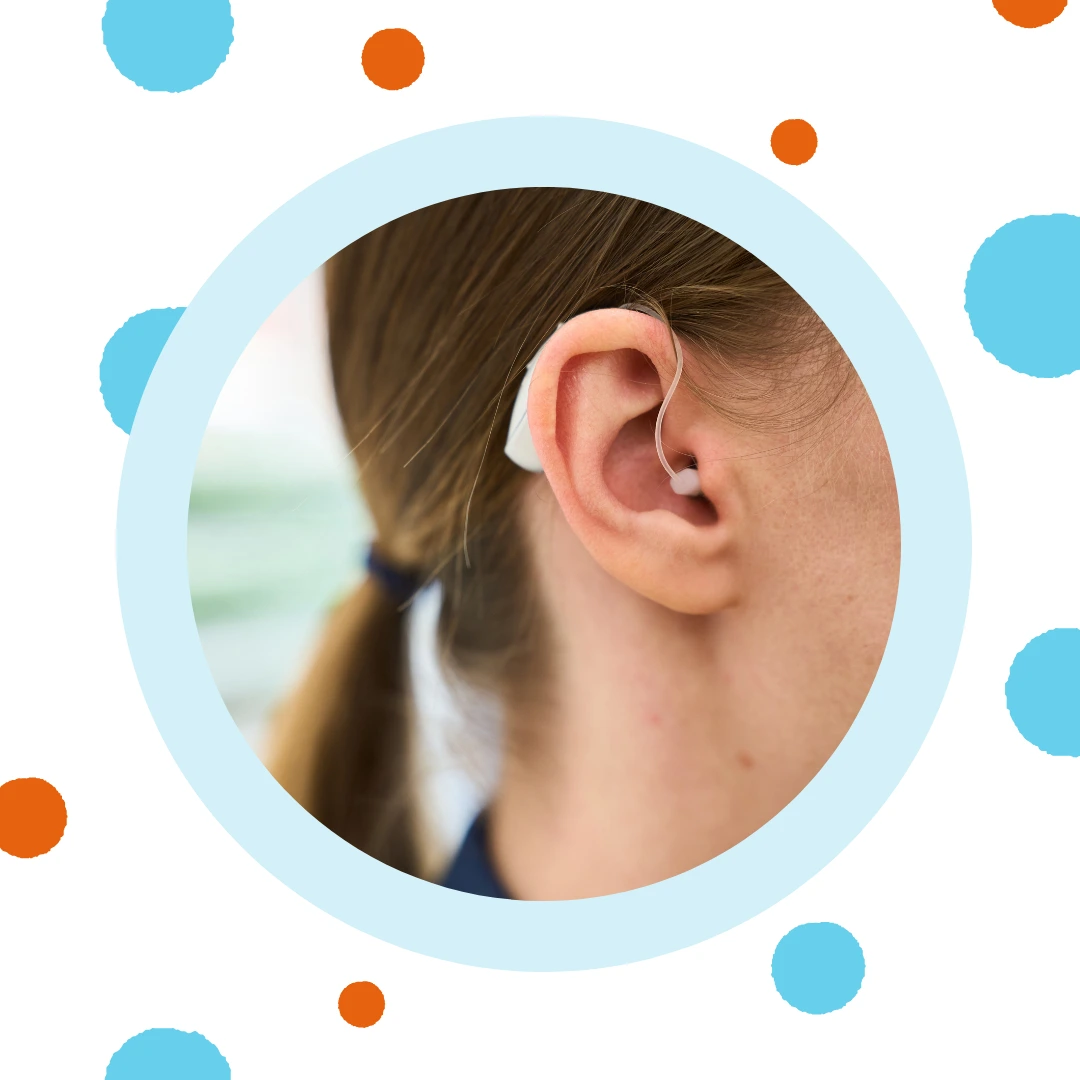
Six distinct types of hearing aids exist today, each designed for different hearing loss levels and lifestyles.
Choosing the wrong style means struggling with fit, missing features you need, or feeling self-conscious wearing devices. The right match transforms how you experience better hearing every single day.
Different types of hearing aids serve different purposes. Behind-the-ear models deliver maximum power for severe loss. Completely-in-canal devices disappear while handling moderate loss perfectly. Receiver-in-canal options balance invisibility with cutting-edge technology.
At Injoy Hearing, licensed professionals match hearing aid styles to your specific needs. Same prescription devices, thousands less than traditional clinics. Remote programming included. Browse hearing aid options to see which styles fit your lifestyle.
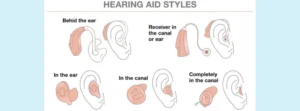
All hearing aid styles share the same basic components.
Microphones capture environmental sounds. Processors amplify and adjust these sounds based on your hearing loss. Receivers (speakers) deliver amplified sound into your ear canal.
The difference lies in where these components sit:
Behind-the-ear placement houses everything in a case resting behind your ear. Sound travels through tubing or wires into your canal.
In-the-ear placement puts all components inside a custom shell fitting your outer ear or canal.
Hybrid designs split components between behind-ear cases and in-canal receivers.
Location impacts everything from power capabilities to battery life to feature availability. Larger housings accommodate bigger batteries and more advanced technology. Smaller designs prioritize discretion over features.
Your hearing loss severity determines which styles provide adequate amplification. Mild loss opens all options. Severe loss requires specific styles with enough power to overcome significant hearing deficits.
Injoy specializes in modern, feature-rich hearing aid styles.
The selection focuses primarily on Receiver-in-Canal (RIC) models from top manufacturers including Phonak, Starkey, ReSound, Oticon, and Signia. These represent the most popular and technologically advanced hearing aid type available today.
RIC styles dominate because they balance discretion with performance. Nearly invisible thin wires connect small behind-ear cases to in-canal receivers. This design accommodates Bluetooth streaming, rechargeable batteries, AI processing, and directional microphones.
Injoy also offers select custom styles including:
Our curated selection ensures you get proven technology that actually works in daily life rather than outdated styles that look good on paper but disappoint in practice.
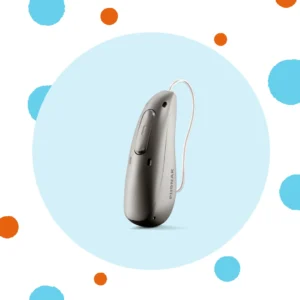
RIC hearing aids represent the current gold standard for most users.
A small case sits discreetly behind your ear. It houses the microphone, processor, and battery. A thin wire—barely visible—connects this case to a tiny receiver placed directly in your ear canal.
Discretion meets performance. The slim wire and small case create minimal visibility. Most people won’t notice unless looking specifically for hearing aids.
Natural sound quality. Placing the receiver in your canal reduces echo and the “talking in a barrel” sensation. Environmental sounds feel clearer and more authentic.
Versatile power range. RIC styles handle mild to severe hearing loss. Swapping receiver strength adjusts power without replacing the entire device.
Technology-packed. Manufacturers release cutting-edge features in RIC models first. Bluetooth connectivity, AI processing, rechargeable batteries, and advanced noise reduction appear here before other styles.
Comfortable open fit. Air flows naturally through your ear canal. Less feeling of being plugged up compared to custom in-ear styles.
Injoy’s RIC lineup includes premium models delivering exceptional real-world performance. The Phonak Audéo Infinio Ultra Sphere features AI-powered noise reduction that adapts instantly to changing environments. Starkey Edge AI brings health tracking alongside superior sound processing. ReSound Nexia offers best-in-class Bluetooth connectivity for seamless streaming.
RIC styles excel where you actually need hearing aids most:
The directional microphones positioned behind your ear capture sound from multiple angles. This spatial placement improves your ability to focus on specific voices while filtering background noise.
Daily care takes just minutes but protects your investment.
The in-canal receiver needs protection from moisture and earwax. Wax guards require monthly replacement—sometimes more if you produce excess cerumen. The thin connecting wire can break if bent sharply or stressed during removal.
Remove devices before showering or swimming. Store in a protective case overnight, preferably with a drying system. Most modern RIC models feature IP68 water and dust resistance, protecting against sweat and light rain but not submersion.
Injoy’s hearing care providers walk you through proper maintenance during activation. They’ll show you wax guard replacement, cleaning techniques, and troubleshooting common issues. Remote support means help is available whenever questions arise.
| RIC Feature | Daily Impact | Best Suited For |
| Thin wire connection | Nearly invisible from front | People concerned about appearance |
| In-canal receiver | Natural sound without echo | First-time users adjusting to amplification |
| Rechargeable batteries | No tiny battery changes | Anyone tired of fiddling with size 312 batteries |
| Bluetooth streaming | Direct audio from devices | Frequent phone users and media consumers |
| Directional microphones | Better speech clarity in noise | Restaurant goers and social butterflies |
BTE hearing aids house all components in a case resting behind your ear.
Sound travels through tubing to a custom earmold fitting snugly in your ear canal. This traditional style remains essential for situations where power and durability matter most.
Severe to profound hearing loss. BTE styles deliver more amplification than any other type. The larger case accommodates powerful receivers handling significant hearing deficits that other styles can’t address.
Children’s evolving needs. Growing ears require frequent earmold replacements. BTE devices separate the technology from the ear-fitting component. Replace just the earmold as kids grow without buying new hearing aids.
Dexterity challenges. Larger controls and battery doors simplify handling. Arthritis or reduced finger strength make small devices frustrating. BTE models offer easy-to-operate buttons and compartments.
Rugged lifestyle demands. Construction workers, farmers, and outdoor enthusiasts need devices that withstand rough handling. BTE styles feature durable casings protecting internal components better than delicate in-ear options.
Cochlear implant pairing. BTE hearing aids work seamlessly with cochlear implants on the opposite ear. The behind-ear placement doesn’t interfere with implant processors.
Today’s BTE models aren’t the beige boxes your grandmother wore.
Sleek contoured designs come in multiple colors matching hair, skin tone, or making a fashion statement. Rechargeable battery systems eliminate weekly battery changes. Select models include Bluetooth audio streaming despite the traditional design.
Telecoil capability connects to loop systems in theaters, churches, and public venues. Multiple program settings adapt to different environments. Volume controls sit conveniently on the device body where you can actually reach them.
Custom earmolds created from impressions of your ear canal ensure precise fitting. The seal prevents feedback whistling while maximizing sound delivery to your eardrum.
Injoy works with manufacturers offering advanced BTE options for those needing maximum power. BTE technology provides solutions traditional clinics offer at drastically lower prices with the same professional programming and support.
Both styles sit behind your ear, but daily use differs significantly.
BTE models use tubing and custom earmolds. This creates a secure fit but may feel fuller in your ear. RIC models use thin wires and smaller domes or tips. This feels lighter but may not stay secure during vigorous physical activity.
Power delivery represents the biggest functional difference. BTE styles push significantly more amplification when severe loss demands it. RIC styles handle most hearing losses excellently but struggle with profound deficits.
Maintenance routines vary slightly. BTE earmolds detach easily for thorough washing and drying. RIC receivers stay attached, requiring gentler cleaning and more frequent wax guard changes.
Battery life extends longer in BTE styles using size 13 batteries lasting 7-14 days. RIC models typically use size 312 batteries lasting 3-5 days or rechargeable systems needing daily charging.
Research comparing hearing aid types shows satisfaction rates remain consistently high across both styles when properly fitted to individual needs. The optimal choice depends on your specific hearing profile and lifestyle requirements.
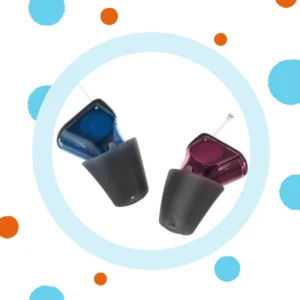
ITE hearing aids fit entirely within your outer ear bowl.
No components sit behind your ear. Everything lives in a custom shell manufactured specifically for your unique ear shape. Two size options exist: full-shell filling your entire outer ear, and half-shell filling just the lower portion.
Perfectly customized comfort. Each device gets built from an impression of your ear. The fit matches your anatomy exactly, eliminating generic sizing issues.
Easier physical handling. Larger than canal-only styles means simpler insertion, removal, and adjustment for people with dexterity limitations.
Accessible controls. Volume buttons and program switches sit on the faceplate. No reaching behind your ear to make changes during conversations.
Reasonable battery life. Size accommodates larger batteries than completely-in-canal models. Changes happen less frequently than with tiny CIC batteries.
Moderate discretion level. Less visible than BTE styles while remaining more noticeable than CIC options. A middle ground for those unconcerned about some visibility.
ITE hearing aids suit mild to moderately severe hearing loss effectively. Custom shell size limits amplification power fitting inside. Beyond certain loss levels, larger behind-ear options become necessary.
These styles work well for:
Outer ear placement affects sound collection differently than behind-ear styles. The shell sits where your natural ear anatomy funnels sound inward. This creates sound quality some users find more natural and pleasing.
Technology constraints. Smaller size limits which features fit inside. Advanced Bluetooth and wireless connectivity may be unavailable or severely limited.
Battery type restrictions. Most ITE styles use disposable batteries. Rechargeable options are uncommon due to space constraints preventing large lithium-ion cells.
Anatomy changes over time. Ear shape shifts with weight fluctuations or aging. This may require new impressions and complete shell remakes after several years.
Feedback potential increases. Microphone and receiver sit closer together than in behind-ear designs. This proximity can cause whistling if fit isn’t absolutely perfect.
Injoy’s hearing care providers determine whether ITE styles match your hearing loss and lifestyle during initial consultation. They’ll take ear impressions if this style suits your specific needs and preferences.
ITC hearing aids sit partially in your ear canal.
Smaller than full ITE styles but larger than completely-in-canal options. The faceplate remains visible in your outer ear opening, though less prominently than ITE models.
Reduced visibility. Less noticeable than ITE styles while maintaining easier handling than CIC devices.
Mild to moderate loss only. Suitable for less severe hearing loss. Power limitations prevent use with significant hearing deficits.
Optional removal string. Some models include a small extraction string. Others rely on fingertip removal gripping the faceplate.
Limited control access. Size reduces space for buttons and switches. May require smartphone app for program adjustments and volume changes.
ITC styles suit people who:
Partial canal placement provides good sound quality while maintaining some handling ease. Daily insertion involves pressing devices into your ear canal. Removal requires gripping the faceplate and gently pulling.
Battery size shrinks compared to ITE models. Changes become more frequent, typically every 3-5 days. Smaller batteries also mean shorter daily runtime before depletion.
CIC hearing aids sit entirely inside your ear canal.
Only a small removal handle remains visible in your outer ear. Most people won’t notice you’re wearing hearing aids unless they look closely and specifically.
Maximum discretion. The smallest user-removable style available. Sits deep enough to hide from casual view and social situations.
Natural sound collection. Deep placement leverages your outer ear’s natural sound-gathering shape. This can improve directional hearing and reduce wind noise interference.
Phone-friendly design. No behind-ear components interfere with phone placement. No feedback whistling when pressing your phone against your ear.
Psychological benefits. For those feeling self-conscious about hearing aids, CIC styles offer significant emotional relief and confidence.
Mild to moderate loss only. Small size severely limits amplification power. Severe hearing loss requires larger styles with more powerful receivers.
Tiny batteries. Size 10 batteries last only 2-4 days. Frequent changes required. Small batteries challenge anyone with dexterity issues or vision problems.
Limited features. No room for directional microphones. Bluetooth connectivity typically unavailable. Manual controls don’t fit.
Moisture vulnerability. Deep canal placement exposes components to more earwax and moisture. Requires diligent cleaning and professional maintenance.
Custom fit essential. Poor fit causes painful feedback and discomfort. Ear shape changes over time require device remakes.
Injoy offers CIC options like the Signia Silk Charge&Go IX. This addresses one major CIC limitation—it’s rechargeable, eliminating frustrating tiny battery changes. However, it still requires comfortable ear canal depth and appropriate shape for proper fitting.
IIC hearing aids push even deeper into your ear canal than CIC styles.
They sit past the second bend of your ear canal. Truly invisible to anyone looking at you from any angle. Removal requires a thin extraction string.
Complete invisibility. No one sees these devices. They sit too deep in your canal for visual detection even during close conversations.
Sound quality benefits. Placement near your eardrum reduces amplification needs. Natural ear acoustics perform more of the sound-gathering work.
Severe limitations. Smallest size means:
Not anatomically suitable for everyone. Ear canal size and shape determine candidacy. Many ear canals are too small, sharply curved, or shallow for IIC fitting.
IIC works best for very specific situations:
Injoy typically recommends more practical styles for most users. IIC limitations mean sacrificing beneficial features solely for invisibility. RIC styles offer near-invisibility with vastly superior technology, ease of use, and daily functionality.
| Style | Visibility | Power Range | Battery Life | Top Features | Ideal For |
| RIC | Low (thin wire shows) | Mild to severe | 3-5 days or 24+ hours rechargeable | Bluetooth, AI processing, directional mics, natural sound | Most hearing loss levels, tech users, first-timers |
| BTE | Moderate (behind ear) | Mild to profound | 5-14 days or 24+ hours rechargeable | Maximum power, telecoil, rugged build, easy controls | Severe loss, children, dexterity issues, active lives |
| ITE Full | Moderate (fills outer ear) | Mild to moderately severe | 3-10 days | Custom fit, easy handling, visible controls | Custom fit preference without behind-ear parts |
| ITE Half | Low-moderate (lower ear) | Mild to moderate | 3-7 days | Custom fit, better handling than ITC | Balance between discretion and usability |
| ITC | Low (partial canal) | Mild to moderate | 3-5 days | More discrete than ITE, custom fit | Mild loss with discretion priority |
| CIC | Very low (deep canal) | Mild to moderate | 2-4 days | Nearly invisible, natural sound placement | Cosmetic concerns, mild loss, good dexterity |
| IIC | Invisible | Mild only | 2-4 days | Complete invisibility | Maximum discretion priority, very mild loss |
Technology features vary dramatically between different types of hearing aids.
Understanding which features genuinely improve your daily life helps narrow down appropriate styles quickly.
Functionality: Streams phone calls, music, podcasts, and media directly to your hearing aids.
Availability: Primarily RIC and some BTE models. Rarely in custom ITE/ITC styles. Never in CIC/IIC.
Who benefits: Frequent phone users, media consumers, anyone wanting direct audio streaming without holding devices near ears.
Injoy offers Bluetooth hearing aids across RIC models from multiple manufacturers. Phonak Infinio series, Starkey Omega AI, and ReSound Vivia all deliver seamless streaming capabilities with minimal setup complexity.
Functionality: Eliminates disposable battery changes completely. Charge overnight like your smartphone.
Availability: Most modern RIC and BTE models. Select ITE options. Some CIC styles like Signia Silk.
Who benefits: Anyone tired of fumbling with tiny batteries weekly. People with arthritis or vision challenges. Those wanting environmental sustainability.
Rechargeable hearing aids represent most of Injoy’s current inventory. Lithium-ion batteries provide 24+ hours of runtime including active streaming throughout the day.
Functionality: Plays customizable sounds to mask ringing, buzzing, or hissing in your ears.
Availability: RIC, BTE, and some ITE models with sufficient processing power.
Who benefits: Anyone experiencing bothersome tinnitus alongside hearing loss symptoms.
Injoy offers specialized tinnitus management options in select models. These devices provide both amplification and relief features working together.
Functionality: Focuses on sounds in front of you while reducing background noise from sides and behind.
Availability: RIC and BTE styles. Limited in ITE/ITC. Unavailable in CIC/IIC due to size constraints.
Who benefits: People spending time in noisy environments regularly. Restaurant goers. Social event attendees.
Functionality: Adjusts volume, programs, and settings via your phone instead of tiny device buttons.
Availability: Most RIC and BTE models. Select ITE/ITC options.
Who benefits: Anyone preferring screen-based controls over tiny buttons. People wanting discrete adjustments.
Functionality: Connects wirelessly to loop systems in theaters, churches, and public venues.
Availability: BTE styles primarily. Some larger RIC and ITE models.
Who benefits: Frequent visitors to equipped venues. People attending religious services regularly. Theater enthusiasts.
Your audiogram directly impacts which types of hearing aids will work.
Hearing loss severity gets measured in decibels (dB HL) across different frequencies. This measurement determines power requirements that eliminate certain styles.
All styles available. Choice based on preferences rather than power limitations.
Consider:
Injoy’s hearing care providers help weigh discretion against features. Mild loss offers maximum style flexibility.
Most styles work effectively. IIC becomes questionable. CIC may struggle in very noisy environments.
Best options:
This range represents most hearing aid users. Injoy’s hearing aid options for different loss types cover this severity comprehensively.
Options narrow significantly. RIC and BTE styles work best. Custom ITE might work depending on specific frequencies affected.
Recommended:
BTE styles required. Only these provide sufficient amplification. Some powerful RIC models might work for severe (not profound) loss.
Essential features:
Consider cochlear implant compatibility if hearing aids provide insufficient benefit. Some severe loss requires cochlear implants rather than traditional amplification.
Smaller doesn’t automatically mean better hearing aid selection.
The invisibility many people prioritize comes with significant performance compromises. Understanding these trade-offs prevents disappointment after purchase.
Smaller devices sacrifice:
Behind-ear and full ITE options deliver:
Most people dramatically overestimate how much others notice hearing aids.
Modern RIC styles with thin wires are barely visible to others. Most people won’t notice unless looking specifically for devices. Family and friends care far more about communicating easily than spotting technology behind your ears.
Consider this question: Would you rather have invisible devices requiring battery changes every three days that can’t stream phone calls? Or nearly-invisible devices that charge overnight and connect to your smartphone seamlessly?
Injoy’s hearing care providers help you think through these trade-offs during consultations. They’ll show you actual devices so you see real-world visibility and feel size differences firsthand.
Style affects sound quality in several important ways.
Microphone location, receiver placement, and venting all influence what you hear and how natural it sounds.
Behind-the-ear styles (RIC and BTE) place microphones higher and farther back on your head. This positioning captures sound from multiple directions effectively. Directional processing works better with greater microphone separation distance.
In-the-ear styles (ITE, ITC, CIC, IIC) place microphones in or near your ear canal opening. This uses your outer ear’s natural sound collection properties. It can improve front-to-back sound localization but limits directional processing capabilities.
RIC styles place the receiver directly in your ear canal. Sound travels minimal distance with less distortion. Many users report RIC sound quality feels most natural and clear.
BTE styles push sound through tubing to your earmold. Slightly more coloration occurs, but modern tubing minimizes this effect. Sound remains excellent, just subtly different from RIC delivery.
Custom styles (ITE, ITC, CIC, IIC) place everything in your ear together. The receiver sits closer to your eardrum than any other style. This creates a very natural sound for mild losses.
Open-fit RIC styles allow sound to pass naturally through your ear canal. Low frequencies travel through unobstructed. High frequencies get amplified. This reduces the “talking in a barrel” sensation.
Closed ITE/CIC styles seal your canal completely. This proves necessary for adequate amplification but creates more occlusion effects. Your voice sounds louder and different to you initially.
Research comparing hearing aid satisfaction shows users rate sound quality highly across all styles when properly fitted. The best sound quality comes from matching style to your hearing loss pattern and getting professional programming for your needs.
Ear anatomy determines which styles physically fit regardless of preferences.
Some people can’t wear certain styles no matter their hearing loss severity or feature desires.
Too small: IIC and CIC styles won’t fit comfortably. Even ITC might prove challenging.
Too curved: Deep canal styles can’t navigate sharp bends safely. RIC or BTE becomes necessary.
Too shallow: IIC placement is impossible. CIC might work but ITC or RIC makes more sense.
Unusual shape: Custom ITE styles might not seal properly. Behind-ear options work better universally.
Prominent ears: May feel self-conscious about visible BTE/RIC styles even though others barely notice.
Flat ears: Behind-ear styles might lack sufficient space to rest securely without slipping.
Small outer ears: Full-shell ITE might not fit properly or comfortably.
Chronic ear drainage: Canal styles shouldn’t be used with ongoing drainage issues. Behind-ear options keep components safer from moisture.
Narrow ear canal: Limits which receivers and domes fit comfortably without causing pain.
Excessive ear wax: Canal styles require significantly more cleaning and maintenance. Behind-ear options prove more practical long-term.
Injoy’s initial consultation includes ear examination. Licensed hearing care providers assess whether your ear anatomy suits your preferred styles before ordering devices.
No single “best” style exists across all users.
The right hearing aid type depends on your unique combination of hearing loss, lifestyle, dexterity, budget, and personal preferences.
How severe is your hearing loss? This eliminates options lacking sufficient amplification power.
What features do you actually need daily? Be honest about Bluetooth, rechargeability, and advanced processing requirements.
How important is invisibility to you? Weigh cosmetic concerns against feature compromises objectively.
Can you handle tiny devices comfortably? Consider your dexterity limitations realistically.
What’s your daily environment like? Noisy workplaces need different features than quiet home environments.
What’s your realistic budget? Set expectations about cost versus benefits over the 3-7 year device lifespan.
| Your Situation | Recommended Style | Why This Works |
| Mild loss, maximum discretion priority | CIC or RIC | CIC hides completely; RIC nearly invisible with all features |
| Moderate loss, tech-savvy user | RIC with Bluetooth | All features, excellent sound, streaming capability |
| Severe loss, need maximum power | BTE | Only style delivering sufficient amplification consistently |
| Dexterity challenges, easy handling needed | BTE or full ITE | Larger size, easier controls, simple battery changes |
| Very active, outdoor lifestyle | Durable RIC or BTE | Weather resistance, secure fit, rugged construction |
| Frequent phone use, loves technology | RIC with Bluetooth | Direct streaming, easy connectivity, excellent features |
| First-time user, adjusting to hearing aids | RIC | Natural sound, comfortable fit, full feature access |
Injoy’s licensed hearing care providers walk you through style selection during initial consultation.
They evaluate:
Then they recommend specific models matching your complete profile. You’re not limited to one brand or locked into predetermined packages. Multiple options at various technology levels let you choose what fits your budget comfortably.
Remote programming means adjustments happen quickly after you receive devices. Something not working perfectly? Licensed professionals make changes without requiring inconvenient office visits.
The 60-day trial period lets you test your chosen style risk-free in real-life situations. If the style doesn’t work practically, you can explore alternatives without losing money or feeling trapped.
Technology tiers exist within each physical style.
Manufacturers offer basic, mid-level, and premium versions of the same hearing aid type. These tiers affect features more than core amplification quality.
What you receive:
Who it suits: Quiet home environments primarily. Minimal social activities. Budget-conscious buyers needing basic amplification only.
What you receive:
Who it suits: Active lifestyles with varied listening environments. Balance of features and affordability. Most hearing aid users fall into this category.
What you receive:
Who it suits: Demanding listening environments daily. Frequent restaurant dining. Active social lives. Those who can afford optimal performance.
Injoy offers hearing aids across all technology tiers in RIC styles primarily.
Phonak Audéo Infinio Ultra Sphere represents premium technology with dedicated AI chip processing. Starkey Omega AI brings health monitoring features alongside superior sound. ReSound Nexia delivers exceptional streaming and connectivity.
Mid-level options provide excellent value for most users. You receive substantial noise reduction, automatic adjustments, and key features without premium pricing.
Licensed hearing care providers help identify which technology tier matches your listening demands and budget reality honestly.
What do actual users say about various hearing aid styles?
Satisfaction varies more by proper fitting and realistic expectations than by physical style alone.
Most common positive comments:
Common complaints:
Most common positive comments:
Common complaints:
Most common positive comments:
Common complaints:
Most common positive comments:
Common complaints:
Studies on hearing aid satisfaction show over 80% of users report satisfaction when devices are properly fitted and programmed. Style matters less than appropriate amplification for hearing loss severity and professional support throughout adjustment.
RIC hearing aids dominate current sales, representing over 60% of the market. Their balance of discretion, features, and performance appeals to most users. Manufacturers invest heavily in RIC technology development, ensuring this style receives innovations first.
Injoy’s 60-day trial period allows style changes if your initial selection doesn’t work practically. If RIC devices feel uncomfortable or you need more power, licensed providers can recommend alternative styles. The trial protects you from being stuck with unsuitable devices.
Not necessarily. Custom ITE, ITC, and CIC styles require individual manufacturing, potentially increasing costs. However, RIC and BTE styles with premium technology often cost more than basic custom devices. Technology level impacts price more than physical size.
All styles typically last 3-7 years with proper care. Lifespan depends more on technology obsolescence and physical care than style. RIC thin wires may need occasional replacement. Custom shells may require remakes if ear shape changes significantly.
RIC and BTE styles with IP68 ratings handle sweat and moisture well during exercise. Avoid water submersion but light rain and sweat pose no problems. Custom in-ear styles may feel less secure during vigorous activity but work fine for moderate exercise.
Modern RIC styles are barely visible unless someone looks specifically. Most people won’t notice at all. Family and friends care more about improved communication than device visibility. CIC styles hide almost completely, though they sacrifice features for invisibility.
RIC and BTE styles offer both options. Domes provide quick, inexpensive fitting suitable for most users. Custom earmolds offer better seal and retention for severe loss, very active lifestyles, or when domes cause discomfort. Your hearing care provider recommends based on your needs.
Injoy’s consultation process helps narrow down appropriate styles before ordering. The 60-day trial lets you test your selected style thoroughly. If it doesn’t work, alternatives can be explored. However, simultaneously testing multiple styles isn’t practical due to adjustment time needed.

Contact Injoy Hearing today. Our hearing care experts help you navigate style options, answer all questions thoroughly, and find devices that genuinely improve your daily hearing. With professional support, transparent pricing, and risk-free trials, you’re choosing the right style with confidence instead of guesswork.
TL;DR: The ReSound Vivia is a meaningful upgrade over the Nexia, not just a spec refresh. It brings always-on AI processing, a 17x more efficient
TL;DR: ReSound and Signia are both genuinely great, which is an annoying thing to read when you just want someone to pick one. So here’s

TL;DR: Short answer: no. Slightly longer answer: sleeping with your hearing aids in is hard on your devices, not great for your ears, and probably

TL;DR: Costco sells legitimate prescription hearing aids at genuinely low prices. The catch? A lineup that’s a generation behind, no online purchasing, and a support