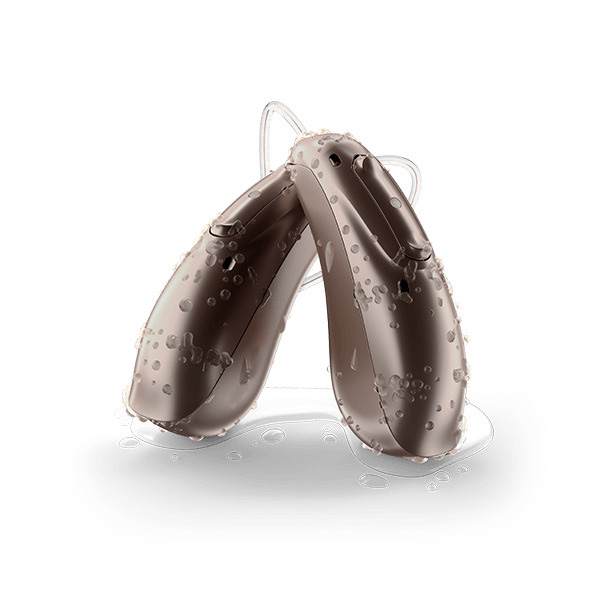


Signia Pure Charge&Go IX BCT vs Oticon Real: Which Hearing Aid Is Right for You?
TL;DR The Signia Pure Charge&Go IX BCT vs Oticon Real; both are excellent prescription hearing aids, but they’re built around different philosophies. Signia wins on

You’ve noticed you’re asking people to repeat themselves more often. Background noise at restaurants feels like a personal attack. And your family keeps side-eyeing you when the TV volume creeps past 40.
It’s time for hearing aids. But here’s the problem: there are dozens of models, endless features, and enough technical jargon to make your head spin. How do you choose the right hearing aid when every brand promises breakthrough technology?
The truth is simpler than you think. The best hearing aid matches your specific hearing loss pattern, fits your lifestyle, and doesn’t drain your bank account. At Injoy Hearing, we help people find that perfect match every day, minus the clinic markup. Same premium hearing aids, thousands less, with licensed hearing care providers guiding you remotely.
Let’s break down exactly how to choose your hearing aids without the overwhelm.
Not all hearing aid features are created equal. Some transform your daily life. Others collect dust in your device settings.

Speech clarity in noise tops every priority list. Modern hearing aids use AI processing to separate voices from background chaos.
The latest technology analyzes millions of sound situations per hour. That’s not marketing fluff. That’s the difference between understanding your grandkids at a birthday party or nodding along pretending you heard.
Advanced AI chips like DEEPSONIC processors and Deep Neural Networks handle complex listening environments. They distinguish between speech and competing noise in real-time.
Rechargeable batteries eliminate the tiny-battery fumble. You charge them overnight like your phone. No more squinting at battery doors or keeping spares in your wallet.
Modern rechargeable hearing aids deliver 16-32 hours per charge. That covers even the longest days without anxiety about batteries dying mid-conversation.
Lithium-ion batteries last 4-5 years before needing replacement. You’ll never buy disposable batteries again.
Bluetooth connectivity matters if you use smartphones, tablets, or TVs regularly. Streaming calls and music directly to your ears changes everything.
But here’s the catch: not all Bluetooth is equal. Made for iPhone hearing aids work seamlessly with Apple devices. Android users need ASHA protocol support.
Universal Bluetooth hearing aids handle both platforms. Some premium models even connect to multiple devices simultaneously.
Automatic adjustments mean your hearing aids adapt without you touching them. Walk from a quiet library into a noisy cafe, and your devices shift programs instantly.
Motion sensors detect when you’re walking, running, or sitting still. Sound classifiers identify restaurants, music, speech, and wind noise. Your hearing aids adjust accordingly.
You never manually switch programs or fiddle with settings. The technology handles everything in the background.
Wind noise reduction protects outdoor enthusiasts. Nothing ruins a hiking conversation faster than hearing aids amplifying wind.
Dedicated wind microphones and advanced algorithms filter whooshing sounds. Some models use separate wind-detection microphones that don’t process speech.
If you spend time outdoors—gardening, golfing, walking—this feature matters more than you’d think.
Tinnitus masking helps if you hear ringing or buzzing. Devices generate soothing sounds that make tinnitus less noticeable.
Most major brands offer robust tinnitus relief programs. You can choose from white noise, ocean sounds, or customized tones. The masking sound plays quietly alongside amplified hearing.
Here’s what doesn’t matter as much as marketing suggests: companion apps with 47 adjustment sliders, UV exposure tracking, or accelerometers counting your steps.
Nice-to-haves, not need-to-haves. Focus your budget on speech understanding, battery life, and connectivity.
Your daily routine determines which features you’ll actually use. A retired homebody needs different technology than a sales rep flying twice weekly.
You attend dinners, parties, concerts, and group events regularly. Background noise is your nemesis.
Priority features: Advanced directional microphones, multi-channel noise reduction, speech-in-noise programs, rechargeable batteries.
Premium technology levels excel in challenging listening environments. AI-powered processing specifically targets restaurant and party environments.
Look for hearing aids with 20+ processing channels and sophisticated noise reduction algorithms.
You want your hearing aids integrated with your digital life. Smartphones, smart home devices, streaming services—you use them all.
Priority features: Universal Bluetooth, hands-free calling, app control, firmware updates, device switching.
Edge Mode and similar AI-boost features provide enhanced speech understanding via smartphone processing. Dual Bluetooth connectivity lets you maintain two device connections simultaneously.
App control gives you fine-tuned adjustments without visiting a provider.

Hiking, biking, golfing, or gardening fill your calendar. You need devices that handle wind, moisture, and varying sound environments.
Priority features: Wind noise management, moisture resistance (IP68 rating), secure fit, long battery life.
Look for IP68 moisture ratings that protect against sweat and rain. Motion sensors that adjust as you move enhance outdoor performance.
Wind-specific microphones and processing make outdoor conversations possible again.
Appearance matters to you. You want effective hearing correction without obvious devices.
Priority features: Small size, cosmetic appeal, custom fit options, in-ear designs.
Completely-in-canal devices practically disappear. Slim receiver-in-canal styles minimize behind-the-ear visibility.
Some premium hearing aids look more like tech accessories than medical devices. Earbud-style hearing aids blend seamlessly with modern aesthetics.
You need excellent hearing correction without premium pricing. Features matter, but value matters more.
Priority features: Core amplification quality, reliability, good battery life, essential connectivity.
Mid-tier technology levels offer about 80% of premium performance at significantly lower cost. Older flagship models deliver excellent value as newer versions launch.
Focus on proven technology rather than bleeding-edge features you might not use.
Style isn’t just cosmetic. Each hearing aid design offers distinct advantages and limitations. Your choice of hearing aid style impacts comfort, performance, and maintenance.
Receiver-in-Canal (RIC) designs dominate the market. A slim case sits behind your ear while a tiny speaker sits inside your ear canal.
This separation allows more processing power in the case without bulk in your ear. RIC hearing aids handle mild to severe hearing loss.
They offer the best sound quality for most people. Natural sound enters through vents while amplified sound comes from the receiver.
RIC designs accommodate rechargeable batteries, advanced Bluetooth, and sophisticated AI processing. Most premium hearing aids use this style.
Behind-the-Ear (BTE) models place all components in the case behind your ear. Sound travels through a tube to an earmold.
BTEs handle severe to profound hearing loss better than any other style. They’re also the most durable and easiest to handle.
Larger controls, bigger batteries, and simple maintenance make them senior-friendly. BTE devices work well for people with dexterity challenges.
If you have cochlear implants, BTEs often integrate best with implant processors.
In-the-Ear (ITE) customs fill your outer ear bowl. Everything sits in one custom shell molded to your ear.
No behind-the-ear component means better compatibility with glasses and hats. ITE hearing aids suit mild to moderately severe hearing loss.
They offer easy control access and good battery life. But they pick up more wind noise than RIC designs.
Occlusion—that plugged-ear feeling—can be more noticeable with full-shell customs.
In-the-Canal (ITC) and Completely-in-Canal (CIC) devices sit partially or fully in your ear canal. They prioritize discretion.
Smaller size means smaller batteries, fewer microphones, and limited connectivity. They suit mild to moderate hearing loss but struggle with severe loss.
Many people choose these styles for cosmetic reasons. Performance tradeoffs are real but acceptable for the right person.
Invisible-in-Canal (IIC) devices sit deepest in your canal. True invisibility comes with significant tradeoffs.
Daily removal requirements, limited battery life, and basic feature sets characterize this style. No Bluetooth connectivity typically means no streaming.
IIC hearing aids work for people who absolutely prioritize invisibility over features and convenience.
Most people choose RIC hearing aids. They balance performance, comfort, and discretion effectively.
Behind-the-ear designs serve those with severe loss or dexterity needs. Custom in-ear styles work when appearance absolutely matters and hearing loss stays mild to moderate.
Your hearing care provider helps match your hearing loss pattern to the appropriate style. Some losses perform better with vented fittings. Others need sealed ear canals.
Hearing aid manufacturers tier their models by technology level. Understanding these tiers prevents overpaying for features you won’t use or underspending and regretting it.
Premium tier devices pack every available feature. These excel in the most challenging listening environments.
If you frequent noisy restaurants, attend conferences, or need hearing aids that handle any situation, premium makes sense.
Premium hearing aids offer more processing channels, sophisticated noise reduction, multiple automatic programs, and advanced directionality. They typically cost more but deliver superior speech understanding in complex environments.
Expect to use premium features daily if you:
Premium tier suits active lifestyles with diverse listening challenges. The technology investment pays off through better communication.
Advanced tier devices deliver about 80% of premium performance at lower cost. You get excellent core features but fewer automatic programs and slightly less aggressive noise reduction.
Advanced hearing aids suit people with active lifestyles who don’t constantly battle difficult listening situations. If you socialize occasionally but spend most time in quiet or moderate environments, advanced tier performs beautifully.
Processing channels decrease slightly. Noise reduction algorithms simplify. But core speech understanding remains excellent.
Standard tier devices cover essential amplification with basic noise management. Processing channels decrease, automatic adjustments simplify, and advanced features disappear.
Standard hearing aids work well for people who:
Essential or economy tiers offer the most affordable entry point. Features strip down to core amplification and basic noise reduction.
Higher technology levels improve performance in noise. If background noise rarely troubles you, standard tier saves money without sacrificing much.
If restaurants, parties, and noisy workplaces dominate your life, premium tier pays for itself through better speech understanding.
Research shows that people satisfied with their hearing aids typically selected technology levels matching their actual listening environments. Overspending on premium features you never use feels wasteful.
Underspending and struggling in noise feels worse. Match your investment to your real-world listening demands.
Age brings specific challenges that smart hearing aid selection addresses. Dexterity, vision, tech comfort, and physical health all factor into choosing hearing aids.
Ease of handling separates good senior hearing aids from frustrating ones. Arthritic fingers struggle with tiny batteries and microscopic buttons.
Tremors make precise movements difficult. Vision challenges complicate distinguishing left from right devices.
Senior-friendly hearing aids offer:
Look for hearing aids with easy-to-grip charging cases and straightforward controls. Magnetic charging eliminates precise alignment requirements.

Technology comfort varies wildly. Some 75-year-olds code websites. Others avoid smartphones entirely.
Choose features matching actual tech usage, not age stereotypes.
For tech-comfortable seniors:
For tech-averse seniors:
Assess honest technology comfort before selecting feature-heavy devices.
Cognitive load increases with complex devices. Hearing aids with 12 programs and 23 app settings overwhelm people with mild cognitive decline.
Automatic hearing aids that just work reduce frustration and improve satisfaction. Look for devices with advanced automatic program switching.
AutoSense and similar technologies require zero user input. The hearing aids detect environment changes and adjust accordingly.
Simple is better when cognitive bandwidth decreases. Premium automatic features paradoxically work best for people who want minimal interaction.
Physical considerations like balance, vision, and motor control influence style selection. Behind-the-ear models prove easier to handle than custom in-ear devices requiring precise insertion.
Rechargeable hearing aids eliminate the vision-dependent task of battery replacement. Larger RIC or BTE designs with magnetic charging cases work best.
Seniors with Parkinson’s, arthritis, or essential tremor benefit from devices that drop into chargers easily without precise alignment.
Social engagement needs differ greatly. Active seniors who volunteer, travel, and maintain busy social calendars need premium speech-in-noise performance.
Homebound seniors in quieter environments function well with mid-tier technology. Budget matters more when advanced features go unused.
The best hearing aid for any senior depends entirely on that individual’s capabilities, lifestyle, and preferences. Age alone determines nothing.
Let’s examine current hearing aid technology across major brands. Understanding what’s newest versus what’s proven helps guide smart purchasing.
Newest flagship models represent cutting-edge hearing aid technology. These devices launch with breakthrough features and command premium pricing.
The Phonak Audeo Sphere Infinio Ultra uses DEEPSONIC AI chips. These dedicated processors handle speech separation independently from main sound processing.
Result? Unprecedented speech clarity in the noisiest environments. The technology literally analyzes 53 million sound parameters per hour.
Starkey’s Omega AI features Neuro Sound Technology with extended battery life. A single charge delivers up to 32 hours of use.
Health tracking capabilities monitor physical activity, heart rate, and cognitive wellness. The hearing aids double as health monitoring devices.
ReSound Vivia combines Motion Sensor Hearing with All Access Directionality. The devices detect when you’re moving and adjust processing accordingly.
Auracast compatibility future-proofs these hearing aids for broadcast audio in public venues.
Signia’s Pure Charge&Go IX platform delivers RealTime Conversation Enhancement. Dual Bluetooth connectivity maintains two device connections simultaneously.
These flagship models cost more but offer genuinely transformative technology for people battling severe hearing challenges.
Advanced tier models represent last generation’s flagship technology. Manufacturers release new flagships and previous top-tier models shift to mid-tier pricing.
Smart buyers find exceptional value here. You get 80-90% of cutting-edge performance at significantly reduced cost.
Phonak Audeo Infinio Ultra R delivers AutoSense 5.0 and universal Bluetooth. The technology remains excellent despite newer models launching.
Starkey Edge AI provides Edge Mode processing. On-demand AI boosts speech understanding via smartphone connectivity when you need extra help.
ReSound Nexia introduced Auracast readiness and improved directionality. Performance rivals newer models in most situations.
Advanced tier hearing aids suit people who want premium performance without paying for the absolute latest breakthrough technology.
Mid-tier and older flagship models offer the most value-conscious options. These hearing aids use proven technology at budget-friendly prices.
Phonak Lumity launched just years ago as a flagship. Today it offers premium features like AutoSense and wind noise management at mid-tier pricing.
Starkey Edge AI and Evolv AI deliver artificial intelligence processing and excellent connectivity. Older doesn’t mean inferior—these remain sophisticated devices.
ReSound Omnia provides 360 All-Around directionality and excellent sound quality. Slight reductions in processing power compared to newer models rarely impact daily use.
Signia’s earlier IX platform devices and other models deliver solid performance for people in less demanding listening environments.
Budget hearing aids strip features to essentials. Sennheiser All-Day Clear offers invisible-in-canal design at economy pricing.
No Bluetooth connectivity. No rechargeable batteries. But profound discretion for people prioritizing invisibility over features.
Budget models work for people with:
The right budget hearing aid outperforms expensive devices sitting unused in drawers.
Here’s how Injoy Hearing’s models stack up across the features that actually impact daily use:
| Model | Style | Battery | Bluetooth | Speech Processing | Hours/Charge | Technology Level | Best For |
|---|---|---|---|---|---|---|---|
| Phonak Sphere Infinio | RIC | Rechargeable | Universal | DEEPSONIC AI | 16-18 hrs | Newest Premium | Extreme noise environments |
| Phonak Lumity | RIC | Rechargeable | Universal | AutoSense 5.0 | 16-18 hrs | Mid-Tier Value | Outdoor activities, wind |
| Starkey Omega AI | RIC | Rechargeable | Universal | Neuro Sound | 32 hrs | Newest Premium | All-day wear, health tracking |
| Starkey Edge AI | RIC | Rechargeable | Universal | Edge Mode AI | 28 hrs | Advanced Tier | Tech enthusiasts, on-demand boost |
| Starkey Genesis AI | RIC | Rechargeable | Universal | Neuro Processor | 28 hrs | Mid-Tier | Active lifestyles, seniors |
| Starkey Evolv AI | RIC | Rechargeable | Universal | Sound Classification | 26 hrs | Mid-Tier Value | Budget premium features |
| ReSound Vivia | RIC | Rechargeable | MFi + ASHA | Motion Sensors | 24 hrs | Newest Premium | Active users, future-proof |
| ReSound Nexia | RIC | Rechargeable | Auracast ready | All Access Direct | 24 hrs | Advanced Tier | Connectivity forward |
| ReSound Omnia | RIC | Rechargeable | MFi + ASHA | 360 All-Around | 24 hrs | Mid-Tier Value | Social situations |
| Signia Active Pro IX | Earbud | Rechargeable | Universal | RealTime Enhance | 22 hrs | Newest Premium | Discreet, modern style |
| Signia Pure IX | RIC | Rechargeable | Universal + Classic | Dual Processing | 28 hrs | Newest Premium | Dual device connectivity |
| Signia Styletto IX | Slim RIC | Rechargeable | Universal | Speech Focus | 20 hrs | Premium Styling | Fashion-conscious users |
| Signia Silk IX | CIC | Rechargeable | Limited | Basic reduction | 16 hrs | Mid-Tier | Maximum discretion |
| Oticon Real | RIC | Rechargeable | MFi + ASHA | RealSound Tech | 24 hrs | Advanced Tier | Natural sound quality |
| Sennheiser Clear | IIC | Disposable | None | Basic | 3-4 days | Budget | Invisible, simple |
This comparison highlights where models differentiate meaningfully. Battery life, Bluetooth protocols, and noise processing vary significantly.
Stop staring at specification sheets. Here’s the practical decision framework that actually works.
Step 1: Define your budget ceiling. Hearing aids range from hundreds to thousands per pair. Knowing your maximum spend eliminates options immediately.
Injoy Hearing prices premium hearing aids thousands below clinic pricing. But you still need a realistic number before shopping.
Step 2: Assess your toughest listening environment. Where do you struggle most? Restaurants? Group meetings? Phone calls? Church?
Your worst-case scenario determines minimum technology level needed. Quiet-only listeners need less processing power than restaurant regulars.
Step 3: Identify must-have features. Make two lists: absolute requirements and nice-to-haves.
Rechargeable batteries might be non-negotiable. Health tracking might be optional. This clarifies priorities before reviewing hundreds of features.
Step 4: Consider physical limitations honestly. Assessment of dexterity, vision, and comfort with technology prevents buyer’s remorse.
A hearing aid you can’t operate confidently sits in a drawer. Be honest about manual dexterity, vision quality, and technology adoption patterns.
Step 5: Match lifestyle to style and features. Active outdoors? RIC with moisture resistance wins. Glasses wearer? Consider custom options.
Concerned about appearance? Slim or invisible designs exist. Need maximum speech understanding in chaos? Premium AI processing matters.
Step 6: Compare 3-5 models meeting your criteria. Narrow the field to finalists. Use the comparison table above as a starting point.
Read specific model features on product pages. Look beyond marketing claims to actual specifications.
Step 7: Talk to a hearing care provider before purchasing. Your audiogram matters enormously. Certain hearing loss patterns perform better with specific brands.
Injoy’s licensed providers match hearing aids to your actual hearing test results, not just preference lists. High-frequency loss needs different solutions than flat loss across frequencies.
Step 8: Start your 60-day risk-free trial. Every person responds differently to hearing aids. The only way to know if a model works is wearing it in real life.
Injoy’s trial period lets you test thoroughly. Wear them at restaurants, meetings, home, and outdoors. Return them if they don’t deliver.
Skip the analysis paralysis. You don’t need perfect information. You need good-enough data and professional guidance.
If you have a cochlear implant or anticipate needing one, hearing aid selection requires extra consideration. Not all hearing aids work well with cochlear implants.
Cochlear implant manufacturers partner with specific hearing aid brands. Cochlear partners with ReSound. Advanced Bionics works with Phonak.
MED-EL collaborates with Oticon. These partnerships ensure better device integration and coordinated care between your implant and hearing aid.
Bilateral hearing (one cochlear implant, one hearing aid) requires compatible devices. The hearing aid and implant must balance and blend sound appropriately.
They need to communicate effectively to create a unified auditory experience. Mismatched devices create confusing, conflicting input.
If you currently have a cochlear implant, check your manufacturer before selecting hearing aids. Staying within the same brand family typically delivers better outcomes.
Your audiologist provides specific compatibility guidance based on your implant model.
Premium hearing aids represent significant investments. Understanding coverage protects that investment and prevents surprise expenses.
Standard warranties typically cover 3 years for manufacturer defects. This includes malfunctioning receivers, failing rechargeable batteries, and processing errors.
Normal wear and tear gets trickier. Some warranties cover it generously. Others distinguish between defects and abuse strictly.
Loss and damage coverage varies by manufacturer. Sometimes it costs extra. Starkey, Phonak, and ReSound offer protection plans.
These matter if you’re active or worried about misplacing devices. Single hearing aids cost thousands to replace.
Remote programming transforms hearing aid ownership completely. Injoy Hearing’s licensed providers adjust your devices via video consultation.
No clinic visits for minor tweaks. No driving across town for volume adjustments. Your hearing care provider fine-tunes settings from anywhere.
Experiencing echo in large rooms? Your provider tweaks settings remotely. Streaming volume too quiet? Fixed in minutes without leaving home.
Follow-up care separates good hearing aid providers from great ones. Injoy includes ongoing support with every purchase.
Questions about Bluetooth pairing? Problems with a specific program? Your care team helps troubleshoot remotely.
This isn’t DIY hearing care with customer service. Licensed, certified hearing care providers manage your hearing health continuously.
Battery replacement for rechargeable hearing aids typically isn’t covered after the initial warranty period. Lithium-ion batteries degrade over time through charging cycles.
Expect replacement costs after 4-5 years of daily charging. Some manufacturers offer replacement programs. Others require full service appointments.
Understanding coverage before purchase prevents surprise expenses. Ask specifically about loss/damage protection, battery replacement timelines, and remote adjustment availability.
Hearing aids dramatically improve quality of life. But they’re not miracle devices restoring perfect hearing. Setting realistic expectations prevents disappointment.
Hearing aids amplify and process sound. They don’t restore perfect hearing like glasses restore perfect vision.
You’ll understand speech better in quiet environments. Noisy restaurants remain challenging even with premium devices.
Technology minimizes difficulty significantly. But it doesn’t eliminate background noise challenges entirely. Your brain still works to separate competing sounds.
Hearing aids require adjustment time. Your brain hasn’t processed certain sounds in years. Reintroducing those sounds feels weird initially.
Paper rustling seems loud. Your own voice sounds strange. Refrigerators hum noticeably.
This adaptation period lasts weeks, sometimes months. Gradual acclimation works better than jumping to full volume immediately.
Hearing aids can’t separate all sound perfectly. When three people talk simultaneously, even the best AI processing struggles.
Your brain does most of the work interpreting complex sound scenes. Hearing aids provide clearer, more organized input.
But you still need cognitive effort. Listening fatigue decreases but doesn’t disappear entirely in demanding environments.
Hearing aids don’t fix auditory processing disorders. If your ears hear fine but your brain struggles interpreting speech, amplification alone won’t solve the problem.
Additional therapy or assistive devices may help more. Audiologists distinguish between hearing loss and processing disorders.
Hearing aids require consistent maintenance. Daily cleaning, regular checkups, battery charging—these devices need care.
Neglected hearing aids perform poorly or break prematurely. Wax buildup clogs receivers. Moisture damages electronics.
Most importantly, hearing aids work best when worn consistently. Part-time wear delays adaptation and reduces benefit dramatically.
Your brain needs constant input to relearn sound processing effectively. Wearing hearing aids only at restaurants doesn’t work well.
All-day, every-day wear maximizes benefit. The adjustment period shortens. Speech understanding improves faster.
Set realistic expectations. Hearing aids improve communication dramatically but don’t create perfect hearing. Better communication, not perfection, is the goal.

Injoy Hearing’s licensed hearing care providers help you choose the right hearing aids for your unique situation. They review your audiogram, discuss your lifestyle needs, and recommend models matching your hearing loss and budget.
Contact Injoy Hearing to speak with a hearing care provider today. Get personalized recommendations, start your 60-day risk-free trial, and enjoy the same premium hearing aids sold at clinics for thousands less. Call now and let our experts help you find hearing aids you’ll actually love wearing.
The 60-60 rule helps prevent noise-induced hearing damage from personal audio devices. Listen at no more than 60% of maximum volume for no longer than 60 minutes at a time. This guideline protects your ears during music streaming, video watching, or phone calls. Modern hearing aids with streaming capability let you set volume limits to stay within safe ranges automatically. Following this rule prevents additional hearing damage while enjoying media.
Neither style is universally better for everyone. Behind-the-ear (BTE) and receiver-in-canal (RIC) designs offer more features, better sound quality, and suit severe hearing loss effectively. In-the-ear (ITE) customs work well with glasses, require no behind-ear component, and appeal to people prioritizing discretion. Your hearing loss severity, dexterity, lifestyle, and appearance preferences determine which style serves you best. Most people choose RIC designs for their performance-discretion balance. Discuss your specific hearing loss pattern with a hearing care provider for personalized style recommendations.
The best hearing aid for seniors depends on individual capability, not chronological age. Tech-comfortable seniors with good dexterity thrive with feature-rich models offering smartphone control and health tracking. Seniors prioritizing simplicity benefit from automatic-adjustment devices requiring minimal user input. Those with arthritis or vision challenges need larger RIC or BTE styles with rechargeable batteries and simple controls. Physical abilities, lifestyle activity level, and technology comfort matter far more than age when selecting hearing aids. Active 80-year-olds need different technology than homebound 65-year-olds.
Yes, but you should still work with hearing care professionals remotely. Injoy Hearing provides hearing aids without in-person clinic visits through remote video consultations with licensed hearing care providers. You need a recent audiogram (hearing test) to ensure proper device programming matching your specific hearing loss pattern. Remote care works exceptionally well for most people with straightforward hearing loss. Complex cases, severe hearing loss requiring deep-canal impressions, or significant ear anatomy challenges might still benefit from in-person evaluation. The key is professional guidance—whether remote or in-person—not simply purchasing devices online without expert input and programming.
Higher-priced hearing aids generally perform better in challenging listening environments, not necessarily in quiet settings. Premium technology levels offer superior noise reduction, more processing channels, and advanced directional microphones that help significantly in restaurants, parties, and noisy workplaces. If you spend most time in quieter environments, mid-tier devices deliver excellent results at lower cost. The “best” hearing aid matches your actual listening challenges to appropriate technology level. Overpaying for features you never use wastes money unnecessarily. Underspending and struggling in noise daily costs more in reduced quality of life and social isolation.
Most people replace hearing aids every 5-7 years on average. Technological improvements, changing hearing needs, and physical wear all contribute to replacement timing. Rechargeable batteries degrade after 4-5 years of daily charging cycles. If your hearing loss progresses significantly, your current devices might not provide adequate amplification anymore. Major technology leaps—like the recent introduction of DEEPSONIC AI chips or Auracast connectivity—sometimes justify earlier upgrades. However, well-maintained hearing aids programmed correctly for your current hearing loss can serve you effectively for many years. Replace based on actual performance and changing needs, not arbitrary timelines.
Hearing aids don’t prevent natural age-related hearing decline, but they may slow cognitive decline associated with untreated hearing loss. Research shows that people with hearing loss who don’t use hearing aids experience faster cognitive decline than those who wear them consistently. Hearing aids keep your auditory cortex active by providing regular sound stimulation to your brain. They also reduce listening fatigue and social isolation, both strongly linked to cognitive health decline. While hearing aids can’t stop presbycusis (age-related hearing loss), they preserve your ability to process speech and maintain mental sharpness through continued auditory engagement and social connection.
TL;DR The Signia Pure Charge&Go IX BCT vs Oticon Real; both are excellent prescription hearing aids, but they’re built around different philosophies. Signia wins on

TL;DR: The ReSound Vivia is a meaningful upgrade over the Nexia, not just a spec refresh. It brings always-on AI processing, a 17x more efficient
TL;DR: ReSound and Signia are both genuinely great, which is an annoying thing to read when you just want someone to pick one. So here’s

TL;DR: Short answer: no. Slightly longer answer: sleeping with your hearing aids in is hard on your devices, not great for your ears, and probably