Does Remote Hearing Aid Fitting Work?
TL;DR: Yes. Peer-reviewed research shows remote hearing aid fitting produces comparable satisfaction and outcomes to in-clinic care for adults with mild to moderately severe hearing


TL;DR: You don’t need a traditional audiologist appointment to get great hearing aids. You do need a licensed professional to program them properly. Here’s how to tell the difference between a smart shortcut and a costly mistake.
If you’ve been putting off dealing with your hearing because the whole process sounds exhausting, you’re in good company. Scheduling appointments, sitting in waiting rooms, and paying clinic prices for something you could handle more efficiently? It’s enough to make anyone procrastinate. Honestly, it’s enough to make anyone lose their hearing on purpose just to avoid the hassle. (Please don’t do that.)
Here’s the good news: buying hearing aids without an audiologist appointment is completely possible, and for most people, it works just as well. Explore options, talk to experts, and get professionally programmed prescription devices without stepping foot in a clinic. Our hearing aid buying guide walks through the full process if you want to start there.
That said, “without an audiologist” and “without any professional support” are very different things. One is a smart, modern approach to hearing care. The other is how people end up with expensive devices gathering dust in a drawer.

The short answer is no, not in the traditional sense. The longer answer depends on what you mean by “need.”
No in-person appointment at a hearing clinic is required. No half-day off work, no drive across town, no waiting room full of outdated magazines. That part is genuinely optional.
What you do need is an accurate picture of your hearing loss, and someone qualified to use that information to program your devices. Both things can happen entirely remotely, through a combination of an existing audiogram or an online hearing test and a licensed hearing care provider who handles the programming.
At Injoy, our product specialists help you choose the right device based on your lifestyle and hearing needs, all by phone before any purchase is made. Once you buy, our licensed hearing care providers handle the programming using official manufacturer software, the same software used in traditional clinics. The fitting appointment is optional, though we’d strongly recommend against skipping it. More on that in a moment.
Not all hearing aids work the same way. This is the part worth understanding before you buy anything.
Since the FDA’s 2022 ruling, adults with perceived mild-to-moderate hearing loss can purchase over-the-counter (OTC) hearing aids without any professional involvement. These are self-fitting devices for people who notice they’re struggling but haven’t had a formal evaluation.
The appeal is obvious: lower price, no appointments, no audiogram required. The limitation is equally obvious. You’re guessing at your own diagnosis and programming your own medical device. For someone with genuinely mild loss who knows their hearing well, this can work. For everyone else, it’s a gamble.
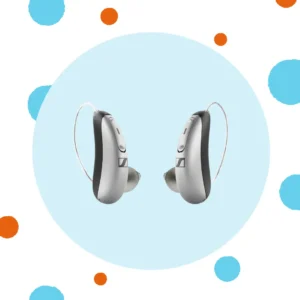
The one OTC device we carry is the Sennheiser All-Day Clear, a legitimate starting point for mild-to-moderate loss. Simple, user-friendly, and priced accordingly. If you’re absolutely certain your loss is very mild and want something affordable to test the waters, it’s a reasonable option. For anything beyond mild loss, or if you’re unsure where you fall, prescription is worth the upgrade.
Prescription hearing aids are programmed by a licensed professional to match your specific audiogram. The difference in performance isn’t subtle. A prescription device tuned to your exact hearing profile outperforms a self-fitted OTC device in virtually every real-world situation. Especially in noise, which is where most people struggle most.
The misconception is that “prescription” means “clinic appointment required.” It doesn’t. It means professionally programmed using your hearing data, and that can happen entirely remotely.
Here’s the table most people want before making a decision.
| Feature | Traditional In-Person Clinic | Remote Fitting (Injoy) |
| Licensed professional involved | Yes | Yes |
| Uses official manufacturer software | Yes | Yes |
| Audiogram required | Yes | Yes (existing or online test) |
| Appointment required | Yes, in person | Phone or video fitting recommended, not required |
| Geographic limitations | Must be near a provider | None |
| Adjustment turnaround | Weeks for next appointment | Same day or next business day |
| Number of included adjustments | Varies, often limited | Unlimited |
| Cost vs. clinic | Baseline | Thousands less |
| 60-day risk-free trial | Rarely | Yes, full refund, no restocking fees |
The benefits of remote hearing aid fitting go well beyond convenience. When your provider adjusts your devices while you’re sitting in your actual kitchen, wearing them in your actual environment, you get results that a sterile clinic sound booth can’t replicate.
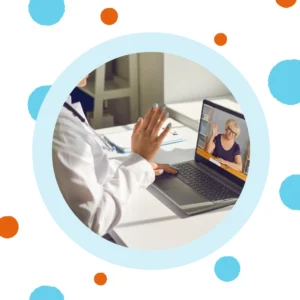
Here’s something most people don’t know: your licensed hearing care provider programs your devices before the fitting appointment ever happens. That programming comes entirely from your audiogram data, done in advance and without any direct contact with you before the sale.
The fitting is where you meet your provider for the first time, test the programmed devices in real time, and give feedback that allows for fine-tuning. It’s also where you learn how to use your hearing aids properly, how to manage the app, what to expect during the adjustment period, and how to communicate what you’re experiencing so future adjustments hit the mark.
Technically optional? Yes. Worth doing? Absolutely. Think of it like getting a tailored suit. The tailor can work from your measurements alone. Showing up for the fitting, though, means you leave with something that actually fits perfectly, not just something that should.
The telehealth benefits of our remote model mean this appointment happens from your couch, not a waiting room. The value of doing it stays exactly the same.
Yes, if you go the OTC route. No professional involvement is required, and no audiogram needed.
For prescription hearing aids, you need hearing data. That data can come from an audiogram you already have from a previous evaluation, or from Injoy’s free online hearing test if you don’t have one. No new clinic appointment required just to get that information.
Skip the hearing data entirely, though, and you won’t get good outcomes. Programming a prescription hearing aid without an audiogram is like getting glasses made to the wrong prescription. The devices may technically work. They won’t work for you.
Sensorineural hearing loss, which involves damage to the inner ear or auditory nerve, is the most common type in adults. It’s also the type that benefits most from professionally fitted prescription hearing aids. The programming needs to compensate for a specific pattern of loss across frequencies, and that requires real hearing data and a real professional.
OTC devices aren’t designed for sensorineural loss beyond the very mildest range. For moderate to severe sensorineural loss, prescription isn’t optional if you want real results.
The best prescription options for sensorineural loss include devices with strong AI processing and advanced noise reduction, since most people with sensorineural loss struggle most in background noise. Top choices to explore:
For a head-to-head between two of the most popular brands in this category, ReSound vs. Signia breaks down the differences clearly. If Phonak is on your radar, our Phonak vs. ReSound comparison is worth a read too.
All of these are available through Injoy without an in-person clinic appointment. Browse the full hearing aid catalog to see every option.
For mild loss in quiet listening environments, research suggests OTC devices can perform reasonably well. A study published in the American Journal of Audiology found no statistically significant difference in overall hearing aid outcomes between OTC and hearing care professional users when controlling for age and degree of hearing loss.
The catch: “overall outcomes” covers a lot of ground, and the real gaps show up in the details. Prescription hearing aids programmed by a licensed professional consistently outperform self-fitted OTC devices in the situations that matter most: noisy restaurants, crowded family gatherings, phone calls, and anywhere you’re working hard to follow a conversation.
The best hearing aids for restaurants guide gets into this specifically, since background noise is where most people feel their hearing loss most acutely.
Honest answer: OTC is a real option for genuinely mild, simple loss. For anything more complex, prescription with professional programming is worth the difference.
Buying hearing aids is step one. Getting them to work well in your actual life is an ongoing process. Most people need multiple adjustments in the first few months as they adapt to amplification and identify what’s working and what isn’t.
This is where the clinic model quietly fails a lot of people. Every adjustment requires a new appointment scheduled weeks out. Many people simply stop asking. They accept “good enough” because requesting better feels like too much hassle. The devices underperform, expectations go unmet, and the hearing aids end up in a drawer.
Injoy’s model includes unlimited remote adjustments for as long as you own your devices. No session caps. No time limits. Something not working two years from now? We fix it. That’s not a marketing line; it’s what authorized retailer status and a remote-first model actually make possible.
That’s the whole process. Professional care, no clinic, no commute, thousands less than traditional pricing.
Ready to find out which hearing aids are right for you? Talk to one of our hearing care experts and get personalized guidance with no pressure and no appointment required.
It depends on your degree of hearing loss. OTC hearing aids are a reasonable option for very mild, straightforward loss, and they require no professional involvement. Prescription hearing aids fitted by a licensed professional perform significantly better for moderate, severe, or complex loss, especially in noisy environments. Unsure where you fall? An online hearing test is a free, fast way to find out before committing to either path.
The 5-minute rule is a common piece of advice from hearing care providers: if you’re in a new or difficult listening environment, give yourself at least five minutes to adjust before deciding your hearing aids aren’t performing. Your brain takes time to process amplified sound, especially in challenging situations. New hearing aid users in particular benefit from patience during the adjustment period, which can take several weeks of consistent wear.
Yes. OTC hearing aids require no professional involvement at all. Prescription hearing aids can be purchased and professionally programmed entirely remotely, without any in-person clinic visit. You’ll need an audiogram, which you can get from a previous evaluation or through an online hearing test. The fitting, programming, and all ongoing adjustments can happen via phone or video appointment and remote software.
For OTC hearing aids, yes. No audiogram or professional evaluation is required. For prescription hearing aids, hearing test data is needed for proper programming. Without it, a provider can’t configure the devices to your specific loss pattern, which significantly limits their effectiveness. Injoy offers a free online hearing test if you don’t have a recent audiogram.
For very mild hearing loss in relatively quiet environments, research shows OTC devices can perform comparably. For moderate to severe loss, or for anyone who struggles in noisy settings, prescription hearing aids programmed by a licensed professional consistently deliver better outcomes. The programming difference matters considerably more than most people realize until they’ve experienced both.
Prescription hearing aids with advanced AI processing are generally best for sensorineural loss, since they compensate for the specific pattern of frequency loss most common with this type. Top options include the Phonak Audéo Sphere Infinio Ultra, Starkey Omega AI, ReSound Vivia, and Signia Pure Charge&Go IX BCT. The right choice depends on your lifestyle, Bluetooth needs, and degree of loss. Don’t have a recent audiogram? Start with our free online hearing test before calling, and our product specialists can help you narrow it down quickly.
TL;DR: Yes. Peer-reviewed research shows remote hearing aid fitting produces comparable satisfaction and outcomes to in-clinic care for adults with mild to moderately severe hearing
TL;DR: Remote hearing aid fitting uses a phone or video call plus Bluetooth to program your devices from your couch. A licensed hearing care provider
TL;DR: A hearing aid repair service diagnoses, fixes, and returns hearing aids that have stopped behaving. Most repairs happen by mail, your warranty usually covers
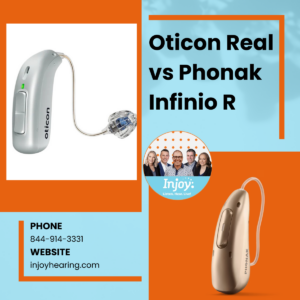
TL;DR: Both are premium rechargeable RIC hearing aids from two heavyweight brands. Phonak’s Audéo R Infinio Ultra brings AI-forward processing and universal Bluetooth. The battery