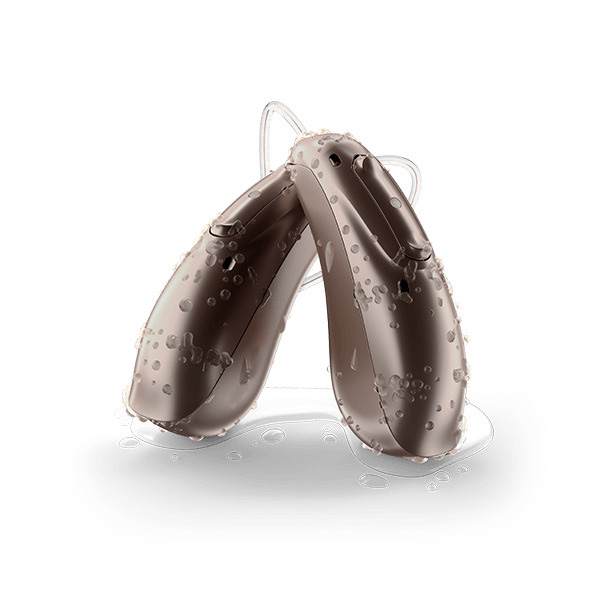


Signia Pure Charge&Go IX BCT vs Oticon Real: Which Hearing Aid Is Right for You?
TL;DR The Signia Pure Charge&Go IX BCT vs Oticon Real; both are excellent prescription hearing aids, but they’re built around different philosophies. Signia wins on

Updated February. 2026
Are Hearing Aids Covered By Insurance?
Here’s the deal: insurance coverage for hearing aids is complicated, often disappointing, and almost never as good as you’d hope.
Medicare doesn’t cover them. Some Medicare Advantage plans do, but with strings attached. Private insurance is inconsistent. And even when coverage exists, you’re usually dealing with network restrictions, preauthorization headaches, and providers charging inflated prices anyway.
But here’s what actually matters: you can get premium hearing aids with professional support for thousands less than traditional clinics charge—whether your insurance decides to help or not.
Let’s cover what insurance typically pays (spoiler: not much), then show you how to get the hearing aids you need without the insurance runaround.
The short version: Original Medicare doesn’t cover hearing aids. Period.
This exclusion has existed since 1965, when Congress decided hearing aids were “routinely needed and low in cost.” That assessment hasn’t been accurate in decades, but the policy remains unchanged despite repeated legislative attempts to fix it.
Original Medicare covers diagnostic hearing exams when your doctor orders them to investigate symptoms. It covers cochlear implants for severe hearing loss. But standard hearing aids? You’re paying out of pocket.
Medicare Advantage (Part C) plans are different. Most now include hearing benefits with annual allowances ranging from $500 to $3,000.
The catch: network restrictions. You typically must use their contracted providers, who often charge inflated prices, offer limited technology choices, and require multiple in-person appointments. The “discount” often isn’t much of a discount once you do the math.
Five states (Arkansas, Connecticut, Illinois, New Hampshire, and Rhode Island) require Medicare Advantage plans to include minimum hearing aid coverage. But coverage still varies significantly by plan and provider network.
Legislative efforts continue. The Medicare Hearing Aid Coverage Act has been reintroduced multiple times. The Build Back Better Act in 2021 included hearing coverage but removed it before passage.
Don’t count on congressional action when making hearing health decisions. Work with what exists now.
Most employer health plans don’t cover hearing aids. When coverage exists, typical benefits include:
Eight states now mandate some level of hearing aid coverage for adults: Arkansas, Connecticut, Illinois, Maine, Minnesota, New Hampshire, Rhode Island, and Washington. Coverage requirements vary significantly by state.
The big caveat: self-insured employer plans are exempt from state mandates. These plans—which represent about 60% of employer coverage nationwide—can exclude hearing aid coverage even in mandate states.

Don’t assume you have coverage—or that you don’t. Here’s how to find out:
The VA provides some of the best hearing healthcare coverage available—comprehensive benefits at no cost to eligible veterans.
VA benefits include premium hearing aids from major manufacturers, unlimited batteries mailed to your home, repairs and adjustments, replacement devices when needed, and ongoing professional support. No copays. No network restrictions.
If you’re VA-eligible, use these benefits. They’re genuinely good.
Adult Medicaid hearing aid coverage varies dramatically by state. Some states provide comprehensive benefits. Others offer nothing beyond diagnostic exams.
States with robust coverage include California, New York, Pennsylvania, Michigan, Massachusetts, Oregon, and Washington. Many Southern and Mountain West states provide limited or no adult coverage.
Check your state’s specific benefits to see what’s available where you live.
FEHB plans vary significantly in hearing aid benefits. Many Blue Cross Blue Shield Federal Employee Program plans offer allowances of $1,500 to $2,500 per ear every 3-4 years, along with routine hearing exams and fittings.
Federal employees should compare FEHB options during open enrollment to maximize hearing benefits.
Even when insurance covers hearing aids, the system creates headaches:
Network providers charge inflated prices. Traditional clinics bundle hearing aids with services into packages priced at $6,000-$8,000 per pair. Insurance “negotiates” discounts off those inflated prices. You still end up paying inflated amounts after copays and deductibles.
Bundled pricing hides actual costs. What are you paying for? The devices? Professional services? Follow-up appointments? It’s deliberately opaque.
Network restrictions limit choices. You’re stuck with contracted providers who may not offer the technology you need or the service quality you deserve.
Preauthorization delays treatment. Weeks of paperwork and approvals before you can address hearing loss affecting your life right now.
Limited follow-up care. Many insurance networks include only a few adjustment appointments. Need programming changes six months later? That’ll be another appointment, another copay, another hassle.
This is why we built something better.

Even without insurance coverage, Flexible Spending Accounts and Health Savings Accounts significantly reduce your out-of-pocket costs through tax savings.
FSAs let you set aside pre-tax dollars for medical expenses. Hearing aids qualify as eligible expenses under IRS rules—including devices, batteries, repairs, accessories, and professional services.
FSA basics:
Strategic timing matters. If you’re approaching year-end with FSA balance remaining, hearing aids represent a significant eligible expense that actually improves your quality of life.
HSAs offer even better flexibility for people with high-deductible health plans.
HSA advantages:
HSAs work brilliantly for hearing healthcare planning. Save for several years to purchase premium technology, or maintain a balance for future hearing aid replacements every 5-7 years.
Using tax-advantaged accounts is straightforward:
Eligible expenses include hearing aids, professional fittings, adjustments, batteries, cleaning supplies, repairs, and audiology consultations. Keep receipts for everything.
Here’s where things get better. Much better.
We’re authorized dealers for Phonak, Starkey, ReSound, and Signia. Same manufacturers that supply traditional clinics. And the same valid warranties. Same premium technology including the latest flagship models.
The difference? We eliminated the overhead that inflates clinic prices. No waiting rooms to maintain. And no reception staff. No medical office rent in expensive locations. No appointment scheduling bottlenecks.
Result: Premium hearing aids for thousands less than clinics charge, with professional support that’s actually more convenient.
Premium flagship devices:
Licensed professional care:
Valid warranties and trial period:

Let’s talk actual dollars because transparency matters.
Traditional clinic pricing: Premium hearing aids: $6,000-$8,000 per pair
Multiple required in-person appointments
Limited adjustment appointments included
Network restrictions apply if using insurance
Injoy Hearing pricing: Same premium hearing aids: $3,000-$4,500 per pair
Unlimited remote adjustments included
Professional support via video and phone
No network restrictions
You’re saving $2,000-$3,000 per pair compared to traditional clinic prices. Many people discover our pricing costs less than their insurance copays and deductibles at network providers.
Even with zero insurance coverage, you access the same premium technology for thousands less.
We make insurance reimbursement straightforward when your plan includes out-of-network benefits.
The process:
Many insurance plans include out-of-network benefits even when they require in-network providers for full coverage. Your plan might reimburse 50-80% of “reasonable and customary” charges.
Documentation we provide:
Our team helps you understand your insurance coverage and navigate the reimbursement process. We’ve done this hundreds of times.
What about network participation?
We’re actively working to join insurance networks, which will make this even easier in the future. In the meantime, out-of-network reimbursement often provides similar value—especially since our pricing is transparent rather than inflated to account for insurance negotiations.
The advantage: you get premium technology and professional support at transparent prices, not inflated network provider pricing designed to maximize insurance reimbursement.
Traditional clinics inflate prices because insurance expects negotiated “discounts.” The whole system is designed around artificially high prices and negotiated reductions.
We price transparently from the start. No games. No hidden costs. Just honest pricing for premium hearing aids and professional care.
Whether your insurance covers $1,000 or nothing, you’re saving money compared to traditional clinic pricing. And you’re getting better service—unlimited remote adjustments beat limited in-person appointments every time.
OTC hearing aids became available in 2022 for adults with self-perceived mild to moderate hearing loss. They don’t require prescriptions or professional involvement.
OTC hearing aids work for:
Limitations to understand:
The gap between OTC devices and professional care matters significantly. Licensed hearing care providers assess your specific hearing profile, program devices precisely for your loss pattern, and provide ongoing adjustments as your hearing changes. That expertise dramatically impacts outcomes.
Insurance note: Most plans that cover prescription hearing aids exclude OTC devices. FSAs and HSAs do cover OTC hearing aids, but you’re getting basic technology without professional support.
If you need actual hearing rehabilitation—not just basic amplification—prescription devices with professional care make more sense.
Not everyone wants to pay upfront even at our lower prices. We get it.
Payment plans make premium hearing aids accessible right now while you save or work through insurance reimbursement. Licensed professional support and unlimited adjustments remain included regardless of payment method.
Options include interest-free financing and monthly payment plans that spread costs over 12-24 months. Explore financing options that work for your budget.
First, understand what you have:
Then, compare actual costs:
Most people discover Injoy saves them thousands compared to traditional clinics—even when insurance provides benefits.
Ready to get real answers?
Our hearing care experts help you understand your insurance situation and show you exactly what premium hearing aids cost with transparent pricing. No sales pressure. No insurance runaround. Just honest guidance and professional care.
Contact Injoy Hearing to discuss your specific insurance benefits, get transparent pricing on the technology you need, and learn about the reimbursement documentation we provide.
We’ll show you how to access premium hearing aids regardless of whether your insurance decides to help. Explore remote hearing care options or schedule a hearing evaluation to get started.
Original Medicare doesn’t cover hearing aids. Medicare Advantage plans often include benefits with annual allowances, but network restrictions apply. Injoy provides documentation for out-of-network reimbursement when your plan includes those benefits—and our transparent pricing often costs less than network provider copays anyway.
Many private insurance plans include out-of-network benefits that reimburse 50-80% of charges. We provide all documentation your insurance needs for reimbursement claims, including itemized receipts, hearing evaluations, fitting records, and manufacturer specifications. Our team helps you navigate the process.
Absolutely. Hearing aids are FSA and HSA-eligible medical expenses. You can use pre-tax dollars for hearing aids, batteries, accessories, repairs, and professional services. We provide all receipts and documentation your account administrator requires.
Traditional clinics charge $6,000-$8,000 per pair. Even with insurance covering $1,000-$2,000, you’re paying $4,000-$7,000 out of pocket. Injoy provides the same premium devices with unlimited professional support for $3,000-$4,500—often less than insurance copays at traditional clinics.
We provide detailed itemized receipts, professional service documentation, hearing evaluation results, fitting records, manufacturer specifications, and warranty information. Everything your insurance company requests for claims processing. Our team has helped hundreds of people navigate reimbursement successfully.
We’re actively working to join insurance networks. Currently, we provide out-of-network documentation for reimbursement claims. Many people discover this saves money because our pricing is transparent rather than inflated for insurance negotiations. Check our insurance and payment information for current details.
We carry the latest flagship models from major manufacturers: Phonak Audéo Sphere Infinio Ultra, Starkey Omega AI, ReSound Vivia, and Signia Pure Charge&Go IX. Browse our complete hearing aid selection to see available technology options and features.
TL;DR The Signia Pure Charge&Go IX BCT vs Oticon Real; both are excellent prescription hearing aids, but they’re built around different philosophies. Signia wins on

TL;DR: The ReSound Vivia is a meaningful upgrade over the Nexia, not just a spec refresh. It brings always-on AI processing, a 17x more efficient
TL;DR: ReSound and Signia are both genuinely great, which is an annoying thing to read when you just want someone to pick one. So here’s

TL;DR: Short answer: no. Slightly longer answer: sleeping with your hearing aids in is hard on your devices, not great for your ears, and probably