You dropped serious money on Phonak hearing aids. Now you’re wondering how long they’ll actually work before you’re back at square one.
Fair question. Hearing aids aren’t cheap, and nobody wants to replace a $6,000 (or much less if you buy from Injoy) investment every couple years. The good news: Phonak builds solid devices. The realistic news: how long do Phonak hearing aids last depends on how you treat them, how often you wear them, and whether technology leaps ahead faster than your devices wear out.
Most Phonak hearing aids last 3 to 7 years. That’s a wide range because your specific mileage varies based on maintenance habits, usage patterns, and environmental exposure. Some people get 8 years from their devices. Others need replacements at year 4. Let’s break down what actually determines lifespan and how to squeeze every possible month from your investment.
Table of Contents
ToggleWhat Affects How Long Phonak Hearing Aids Last?
Five main factors control whether your Phonak hearing aids die at year 3 or cruise past year 7.
Daily wear time matters. Devices worn 14 hours a day face twice the stress of aids used 7 hours daily. More hours mean more earwax exposure, more temperature fluctuations, and more opportunities for moisture damage. Heavy Bluetooth streaming adds extra battery strain.
Your environment plays a role. Dusty job sites accelerate speaker clogging. Humid climates cause internal corrosion faster. Extreme temperatures stress electronic components. If you work outdoors in Texas summers or Minnesota winters, your aids face harsher conditions than someone in climate-controlled offices.
Maintenance habits extend or shorten lifespan. Daily cleaning prevents 60-70% of common failures. Proper storage protects against moisture damage. Regular professional check-ups catch small issues before they become expensive repairs. Neglect your aids and they’ll quit early.
Build quality provides the baseline. Phonak’s IP68 water resistance protects against sweat and moisture. Their lithium-ion rechargeable systems eliminate battery door corrosion. Premium models use more durable materials than budget options. But even the best construction can’t overcome terrible care habits.
Technology advancement creates functional obsolescence. Your 6-year-old Phonak might work perfectly but lack AI noise cancellation, health tracking, or modern Bluetooth connectivity. Sometimes you upgrade because you want better features, not because your current aids failed.
How Long Do Different Phonak Models Last?
Newest Premium: Phonak Audéo Sphere Infinio Ultra
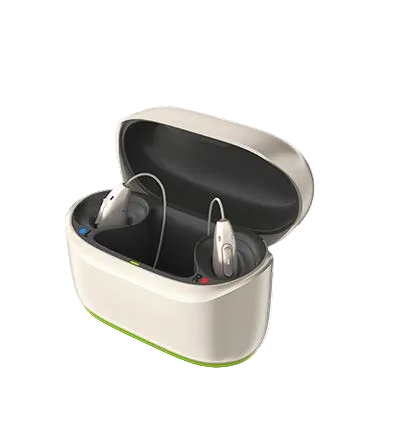
The Phonak Audéo Sphere Infinio Ultra I90 represents Phonak’s current flagship technology. Expected lifespan: 5-7 years with proper maintenance.
These use dual-chip architecture with the DEEPSONIC AI processor handling noise separation. The lithium-ion battery delivers up to 56 hours per charge with typical use, 16-18 hours with heavy streaming. Battery performance stays strong for 4-5 years before you notice any decline.
The IP68 rating means dust and water resistance that handles daily sweat, light rain, and humidity. Titanium charging contacts resist corrosion better than older battery door designs. That sealed construction eliminates moisture intrusion through battery compartments.
Newest Advanced: Phonak Audéo Infinio Ultra R
The Phonak Audéo Infinio Ultra R sits one tier below the Sphere but shares similar build quality and durability. Expected lifespan: 5-7 years.
These use the ERA chip for processing instead of the dual-chip Sphere system. Battery life matches the Sphere models at 24 hours typical use, though the single-chip design uses slightly less power. The same IP68 rating and titanium contacts provide equivalent physical durability.
Most users see 5-6 years before battery capacity drops enough to require daily mid-day charging. By year 7, you’re likely looking at replacement regardless of whether the device still functions.
Older Quality Models: Phonak Audéo Lumity
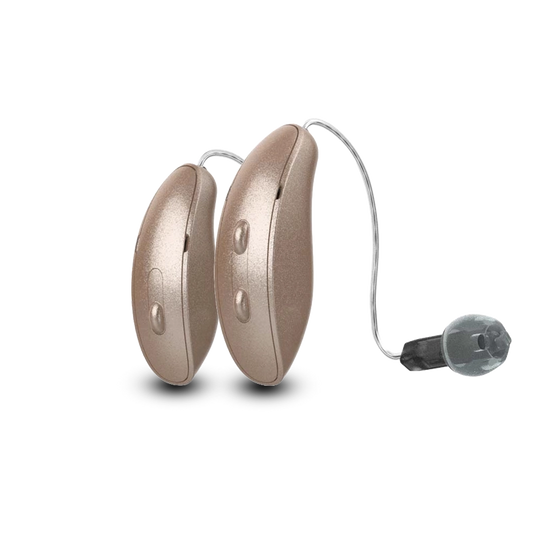
The Phonak Audéo Lumity L90 R uses the previous-generation platform but maintains excellent build quality. Expected lifespan: 5-7 years.
AutoSense OS 5.0 handles environmental adaptation. The rechargeable lithium-ion battery provides 24 hours of use on a full charge. Physical construction uses the same IP68-rated materials as newer models.
Lumity devices from 2022-2023 are hitting their 2-3 year mark now. Users report excellent performance with proper maintenance. The technology gap widens as newer AI features become standard, but the devices themselves hold up well physically.
How Long Do Phonak Rechargeable Batteries Actually Last?
Here’s the reality about lithium-ion batteries: they’re designed for approximately 4-6 years of daily charging cycles before performance declines noticeably.
Years 1-3: Battery holds full capacity. You get the advertised 24 hours between charges, or 16-18 hours with streaming. Charging takes 3 hours from empty to full, 30 minutes for a quick 6-hour boost.
Year 4: You might notice the battery dies 30-60 minutes earlier than it used to. Still functional for most daily use. Charging times remain consistent.
Years 5-6: Battery capacity drops to 70-80% of original performance. You need to charge nightly without exception. Heavy streaming days might require mid-day charging. The battery still works, just not all day anymore.
Year 7+: Battery struggles to last a full day with normal use. You’re charging multiple times daily or adjusting your wearing schedule around battery life. This usually triggers replacement shopping.
The electronics surrounding Phonak’s lithium-ion batteries use power management designed to maximize lifespan. Unlike older silver-zinc rechargeable systems, lithium-ion doesn’t suffer from memory effects. Partial charges don’t damage long-term capacity.
But here’s the catch: you can’t replace just the battery. Phonak integrates the lithium-ion cells into the device housing for better waterproofing and durability. When the battery degrades significantly, you’re replacing the entire hearing aid, not swapping in a fresh battery pack.
Battery replacement service exists through Phonak, but it typically costs 50-60% of new device pricing. Most users choose to upgrade at that point rather than repair 6-year-old technology.
How Long Does a Phonak Charge Last Per Day?
Phonak advertises 24 hours of use on a full charge. Real-world results vary based on your usage patterns.
Light use (mostly quiet environments, minimal streaming): You’ll get 22-26 hours. Some users stretch to 30+ hours on newer Sphere models with efficient power management.
Moderate use (typical conversations, 1-2 hours streaming daily): Expect 18-20 hours. This covers most people’s daily needs with charging overnight.
Heavy use (noisy environments, 4+ hours streaming, frequent Bluetooth switching): You’re looking at 14-16 hours. That’s still a full waking day, but less buffer for late nights.
AutoSense OS constantly analyzes your environment and adjusts processing. More complex acoustic situations drain battery faster than quiet rooms. Speech-in-noise situations require more computational power than watching TV in silence.
Bluetooth streaming consumes the most power. Phone calls use less than music streaming. Video calls with both audio and microphone active drain fastest. According to Phonak’s technical documentation, 80 minutes of daily streaming reduces total battery life to about 16 hours.
Temperature affects performance too. Cold weather drains batteries faster. Hot car interiors stress the cells. Keep your aids between 5°C and 40°C for optimal performance and longevity.
Warning Signs Your Phonak Hearing Aids Need Replacement
Watch for these red flags that indicate your devices are approaching end-of-life.
Battery can’t make it through the day anymore. You used to charge overnight and forget about it. Now you’re nervously monitoring battery levels by afternoon. Quick charges don’t help like they used to. This usually appears around year 5-6.
Sound quality degrades despite cleaning. Conversations sound muffled. Background noise overwhelms speech more than before. You’re constantly adjusting volume throughout the day. Your hearing hasn’t changed, but the aids aren’t performing like they used to.
Repairs become frequent and expensive. You’ve sent them for service 2-3 times in the past year. The same receiver keeps failing. Bluetooth connectivity gets flaky. When repair costs approach 40-50% of replacement pricing, you’re throwing good money after bad.
Physical damage accumulates. Cracks in the housing let moisture penetrate. Charging contacts show corrosion. The receiver connection feels loose. Cosmetic damage often indicates internal wear you can’t see.
Technology gap becomes frustrating. Your 5-year-old aids lack AI noise cancellation that makes restaurant conversations easier. You want health tracking features. Modern Bluetooth pairing works better with your new phone. Sometimes functional obsolescence matters more than physical failure.
Multiple warning signs together signal replacement time. One issue alone might warrant repair. Three or four issues? Start shopping for upgrades. Wondering if your current aids still serve you well? Contact our hearing care experts to discuss whether repair or replacement makes more sense for your situation.
How to Extend Your Phonak Hearing Aids’ Lifespan
Simple daily habits add 1-2 years to device longevity. Here’s what actually works.
Clean them every single night.
Wipe the body with a soft, dry cloth. Use the provided cleaning tool to clear speaker openings. Earwax is the number one preventable cause of premature failure. Two minutes of nightly cleaning prevents hundreds in repair costs.
Change wax filters proactively.
Replace filters every 1-2 months, or immediately when sound becomes muffled. Don’t wait until they’re completely clogged. Clogged filters force moisture and debris deeper into the speaker assembly.
Store properly when not wearing them.
Place aids in their charging case overnight. If you won’t wear them for several days, store in a dehumidifying container. Never leave them on bathroom counters where shower steam causes moisture damage. Never leave them in hot cars where heat degrades electronics.
Avoid moisture exposure.
Remove aids before showering, swimming, or heavy exercise. If they do get wet, place them in a dehumidifier immediately. Don’t use a hairdryer or rice. Rice doesn’t work and leaves dust in the microphone ports.
Schedule professional cleanings.
See your hearing care provider every 3-4 months for deep cleaning. They have tools to remove debris from areas you can’t reach. Professional inspection catches small issues before they require expensive repairs.
Charge correctly.
Charge nightly even if the battery isn’t dead. Lithium-ion batteries don’t have memory effects. Partial charges don’t harm long-term capacity. Clean charging contacts monthly with a dry cotton swab to maintain good connection.
Handle gently.
Hearing aids survive normal daily use, but they’re still precision electronics. Don’t drop them on hard surfaces. Avoid expose them to extreme temperatures. Don’t leave them where pets or small children can reach them.
Update software when prompted.
Firmware updates fix bugs and optimize performance. They won’t make your aids last longer physically, but they maintain functionality as long as possible. Use the myPhonak app to check for updates regularly.
These habits don’t prevent the eventual battery degradation that comes with lithium-ion chemistry. But they do prevent the premature failures that force early replacement.
Should You Repair or Replace Your Phonak Hearing Aids?
The math changes depending on device age and repair costs. Here’s how to decide.
Repair makes sense when:
- Your aids are less than 3 years old
- Repair costs under 30% of replacement price
- The issue is simple (broken receiver, damaged dome, firmware glitch)
- Battery still lasts most of the day
- You’re happy with current features and performance
- Your hearing hasn’t changed significantly
Replacement makes more sense when:
- Your aids are 5+ years old
- Repair costs exceed 35% of new device price
- You’ve had multiple repairs in the past 18 months
- Battery dies before the day ends regularly
- You need features your current aids don’t offer
- Your hearing loss has progressed beyond current amplification capacity
Phonak includes a 3-year manufacturer warranty on most models. Within that window, repairs are typically covered for manufacturing defects. After year 3, you’re paying out-of-pocket for service.
Consider total cost of ownership. A 5-year-old device needs repair now. It’ll probably need another repair within 18 months. The battery performs worse than new devices. You’re missing modern features that improve daily hearing. Adding up repair costs plus reduced performance, replacement wins.
Need help evaluating your specific situation? Call our hearing care experts at 844-914-3331. We’ll help you make the repair-or-replace decision based on your device age, repair costs, and hearing needs.
How Does Phonak Lifespan Compare to Other Brands?
Most premium hearing aid manufacturers deliver similar longevity with proper care. Phonak doesn’t outlast competitors by years, but they don’t lag behind either.
Starkey rechargeable models last 5-7 years. Their lithium-ion batteries show similar degradation patterns to Phonak. The Starkey Omega AI and Genesis AI lines use comparable build quality and materials.
ReSound devices hit the same 5-7 year lifespan. Their Nexia and Omnia platforms use lithium-ion rechargeable systems with 4-6 year battery performance before noticeable decline.
Signia hearing aids match that 5-7 year range. The Pure Charge&Go IX line uses sealed rechargeable designs similar to Phonak’s approach. IP68 ratings provide equivalent moisture resistance.
Widex rechargeable models also deliver 5-7 years typical use. Their proprietary rechargeable systems perform comparably to industry-standard lithium-ion batteries.
The specific lifespan depends more on your maintenance habits than the brand name. A well-maintained Phonak lasts just as long as a well-maintained Starkey. A neglected ReSound dies just as fast as a neglected Signia.
Phonak distinguishes itself with universal Bluetooth connectivity that works with more devices. Their AutoSense OS adapts to environments effectively. The newest Sphere models use AI processing that competitors haven’t matched yet. But raw physical longevity? About the same across premium brands.
Budget-tier devices from any manufacturer typically last 3-5 years. Premium models justify higher prices partly through extended durability and better long-term support.
When Should You Upgrade vs. Keep Using Your Phonak Aids?
Technology advances create compelling upgrade opportunities before your devices physically fail.
Consider upgrading when:
- Your aids are 4-5 years old and technology has advanced significantly
- New features would meaningfully improve your daily life
- Battery degradation forces you to adjust your schedule
- Your hearing has changed and current aids can’t adapt
- Repair frequency increases to 2+ times annually
Stick with current aids when:
- They’re less than 3 years old
- Battery still lasts most of the day
- Sound quality meets your needs
- You’re satisfied with current features
- No significant repairs needed recently
The 4-5 year mark represents the sweet spot where devices still function but newer technology offers substantial improvements. Battery capacity drops enough to be annoying but not deal-breaking. You’ve gotten solid value from your investment. Upgrading makes sense financially and functionally.
Technology milestones worth considering: AI-powered noise cancellation (available in Sphere Infinio models), improved Bluetooth with multiple device pairing, health tracking features, 50+ hour battery life, and superior speech clarity using neural processing.
Many users upgrade every 4-5 years to benefit from these advances even when current aids still work. Your hearing needs may change too, requiring different features or more powerful amplification.
For guidance on choosing the right hearing aid for your current needs, our team can help you evaluate whether upgrading makes sense now or if you should wait another year.
What About Phonak Hearing Aid Battery Life Per Charge?
We covered daily charge duration earlier, but let’s address charging specifics since it affects lifespan planning.
Full charge time: 3 hours takes lithium-ion batteries from completely dead to 100%. Most users charge overnight and never think about it.
Quick charge capability: 30 minutes provides 6 hours of use. This helps if you forgot to charge overnight. Pop them in the charger during breakfast and you’re good until mid-afternoon.
Partial charge wisdom: You don’t need to run the battery to zero before charging. Lithium-ion chemistry doesn’t have memory effects. Charge whenever convenient.
Overnight charging safety: The charging case automatically stops when batteries reach 100%. You can’t overcharge by leaving them plugged in all night. The circuit protection prevents damage.
Charging temperature limits: Keep your charging environment between 5°C and 40°C. Extreme cold or heat damages battery chemistry and shortens long-term lifespan. Don’t charge in your car during summer heat. Don’t charge in an unheated garage during winter.
Charger lifespan: The charging case typically outlasts the hearing aids themselves. Phonak’s titanium contacts resist corrosion. The USB power supply works for years. If charging becomes unreliable, clean the contacts with a dry cotton swab first. Actual charger failure is uncommon.
Charging habits don’t extend the 4-6 year battery lifespan significantly, but proper charging prevents premature failure and maintains optimal daily performance as long as possible.
How Long Do Phonak Hearing Aids Last vs. Expected Lifespan?
Marketing materials and realistic expectations don’t always align. Here’s the honest breakdown.
Manufacturer position: Phonak designs their devices for 5-7 years of use. Their lithium-ion batteries are engineered for 4+ years of daily charging before noticeable decline. The IP68-rated housing should protect electronics for the device’s full lifespan.
Real-world performance: Most users get exactly what Phonak promises. Devices work well for 5-6 years with proper maintenance. Battery degradation appears around year 4-5 as expected. Physical wear matches normal use patterns.
Best-case scenarios: Careful users in ideal conditions stretch to 7-8 years. Light daily use, climate-controlled environments, and meticulous maintenance extend functional life. These users often upgrade for technology reasons, not because their aids failed.
Worst-case scenarios: Neglect, harsh environments, or heavy use can kill devices by year 3. Users who never clean their aids, expose them to moisture regularly, or wear them 16 hours daily in dusty conditions see shorter lifespans. These are preventable failures, not manufacturing defects.
The 3-year warranty window matters: Phonak covers manufacturing defects for 3 years. Most actual defects appear within this timeframe. After 3 years, failures typically result from battery aging (expected) or use/maintenance issues (your responsibility).
Phonak delivers on their durability promises if you hold up your end of the maintenance bargain. They’re not making exaggerated claims about 10-year lifespans. The 5-7 year range represents honest engineering expectations.
Do Different Phonak Styles Last Different Amounts of Time?
Behind-the-ear (BTE) and receiver-in-canal (RIC) styles dominate Phonak’s current lineup. Both deliver similar 5-7 year lifespans with proper care.
Receiver-in-canal models (like all the Audéo line) position electronics behind your ear with a thin wire running to a speaker inside your ear canal. The speaker (receiver) sits in the ear canal where it faces more earwax exposure. Receivers are replaceable wear items, typically lasting 2-3 years before needing replacement. The main device behind your ear lasts 5-7 years.
Behind-the-ear models keep all electronics behind the ear with a tube running to an ear mold. These face less earwax exposure since the tube can be cleaned or replaced easily. The electronics typically last as long as RIC models, but you replace tubes instead of receivers.
Custom in-the-ear models sit entirely inside your ear canal. Phonak’s custom rechargeable options last 4-6 years. The smaller housing and constant earwax exposure create more wear. Heat and moisture from your ear canal stress components more than behind-the-ear positioning. Custom aids cost more upfront and typically need replacement sooner.
For most users, receiver-in-canal rechargeable models offer the best combination of performance, durability, and convenience. The replaceable receiver design means a worn-out speaker doesn’t require replacing the entire device.
Understanding Phonak’s 3-Year Warranty
The manufacturer warranty affects your total cost of ownership during the early years.
What’s covered: Manufacturing defects in materials or workmanship. This includes circuit board failures, housing cracks from normal use, receiver defects, and charging system problems that aren’t your fault.
What’s not covered: Damage from improper care, water immersion (despite IP68 rating, full submersion isn’t covered), chemical exposure, physical damage from drops, lost devices, or normal wear items like domes and wax filters.
Warranty service process: Contact your provider (that’s us if you bought through Injoy) when issues arise. We coordinate with Phonak for warranty repairs. Turnaround typically runs 7-14 days depending on the issue.
After warranty expires: You’re paying out-of-pocket for repairs. This is when the repair-vs-replace math becomes important. A $400 repair on a 4-year-old device might not make sense when newer technology costs $2,000.
Extended warranties: Some providers offer extended protection plans beyond the 3-year manufacturer coverage. Evaluate these carefully against your device age and expected replacement timeline. An extended warranty on 3-year-old technology you’ll replace at year 5 anyway might not deliver value.
At Injoy Hearing, we provide the same 3-year Phonak manufacturer warranty. You’re getting identical coverage at significantly lower upfront costs. Same hearing aids, same warranty, thousands less.
How Long Do Hearing Aids Last Beyond Phonak?
Understanding broader industry patterns helps you plan long-term.
Average hearing aid lifespan across all brands and price points: 3-7 years. Premium devices trend toward 5-7 years. Budget options land at 3-5 years. This consistency across manufacturers indicates the lifespan comes from fundamental technology limitations, not brand-specific engineering.
The 5-7 year range reflects lithium-ion battery chemistry limits more than anything else. All manufacturers use similar battery technology. All face the same degradation curve. You can’t buy hearing aids with 10-year batteries because the chemistry doesn’t exist yet.
Some users keep hearing aids longer than 7 years. They deal with shorter battery life, miss out on newer features, and often need multiple repairs. Technically possible, but diminishing returns on keeping aging technology.
The hearing aid industry expects 5-year average replacement cycles. Insurance plans often cover new devices every 5 years. Manufacturers design products around this timeline. Fighting against industry norms by stretching to year 8-9 creates more frustration than value.
For more general information on how long hearing aids last, we’ve covered the broader topic across all manufacturers and styles.
Maximizing Your Phonak Investment
Smart purchasing decisions extend value beyond just device lifespan.
Choose rechargeable over disposable batteries. You eliminate $150-200 in annual battery costs. The sealed rechargeable housing reduces moisture damage risks. The higher upfront cost pays back within 2-3 years, then continues saving money.
Buy at the right price. Traditional clinics charge $5,000-7,000 per pair for premium Phonak devices. We offer the same hearing aids for thousands less with full professional support. Lower upfront cost means better value even if lifespan stays identical.
Invest in professional fitting and follow-up. Properly programmed aids perform better and last longer. Remote adjustments optimize settings without clinic visits. Professional support catches issues early before they become expensive repairs.
Use the trial period fully. Test aids in real-world conditions before committing. Verify battery life meets your needs. Ensure features work in your daily environments. Our 45-day trial period removes purchase risk.
Maintain religiously. Daily cleaning adds 12-24 months to average lifespan. That’s potentially $1,000+ in delayed replacement costs for 5 minutes daily.
Know when to upgrade. Don’t cling to 7-year-old technology because it still powers on. Modern advances in noise reduction and speech clarity meaningfully improve quality of life. Upgrading every 5-6 years balances cost against performance.
Why Did My Phonak Hearing Aid Stop Working?
Sudden failure has a few common causes. Try these troubleshooting steps before panicking.
Battery completely drained: Place aids in the charger for 30 minutes. Even “dead” devices might show signs of life after charging. The battery indicator light should show status.
Speaker blocked by earwax: Clean the speaker opening with the provided tool. Replace the wax filter if you have disposable ones. Blocked speakers cause 40% of “broken” hearing aid complaints.
Device needs hard reset: Press and hold the button for 15 seconds. Place in the charger until the light blinks green (may take 30 seconds). This clears software glitches.
Moisture damage: Place in a dehumidifying container overnight. Don’t use rice or a hairdryer. If you recently exposed aids to water, moisture might need professional cleaning to resolve.
Physical damage: Check for cracks, loose receiver connections, or corrosion on charging contacts. Visible damage usually requires professional repair.
If basic troubleshooting doesn’t work, our hearing care team can help. Call 844-914-3331 for support. We’ll walk you through additional steps or coordinate repair service if needed. For more detailed troubleshooting, check our guide on hearing aid not working fixes.
Are Phonak Hearing Aids Good Quality?
Yes. Phonak consistently ranks among the top three global hearing aid manufacturers for good reasons.
Swiss engineering and quality control produce reliable devices. Their lithium-ion rechargeable systems set industry standards. IP68 water and dust resistance handles real-world daily use. Universal Bluetooth connectivity works with virtually any device without proprietary streamers. These quality markers appear across their product line, not just flagship models.
How Can I Tell If My Hearing Aids Are Wearing Out?
Watch for progressive decline rather than sudden failure.
Battery life shortens gradually over months. Sound quality degrades slowly until you realize it’s been getting worse. Repairs become more frequent. Bluetooth connectivity gets flaky. Multiple small issues compound into frustration.
One symptom alone doesn’t mean replacement time. Battery dying an hour early might just need a firmware update. Occasional connectivity issues might resolve with a restart. But 3-4 warning signs together signal aging devices approaching end-of-life.
Compare your experience to when the aids were new. If they no longer meet your needs despite professional adjustments, it’s time to consider replacement regardless of age.
Ready for Hearing Aids That Actually Last?
Phonak hearing aids deliver 5-7 years of reliable performance with proper care. Their rechargeable batteries work well for 4-6 years before decline. The technology usually becomes outdated before the devices physically fail.
Whether you need your first pair or you’re replacing aging devices, our hearing care experts help you make informed decisions. We offer premium Phonak technology including the Audéo Sphere Infinio Ultra I90, Audéo Infinio Ultra R, and Audéo Lumity L90 R at prices thousands less than traditional clinics.
Same hearing aids. Licensed hearing care providers. Professional remote programming. Unlimited adjustments. 45-day trial period. We just cut out the markup.
Contact Injoy Hearing or call 844-914-3331 today. Our team will help you find Phonak hearing aids that fit your hearing needs, lifestyle, and budget. You deserve devices that last years, not months.